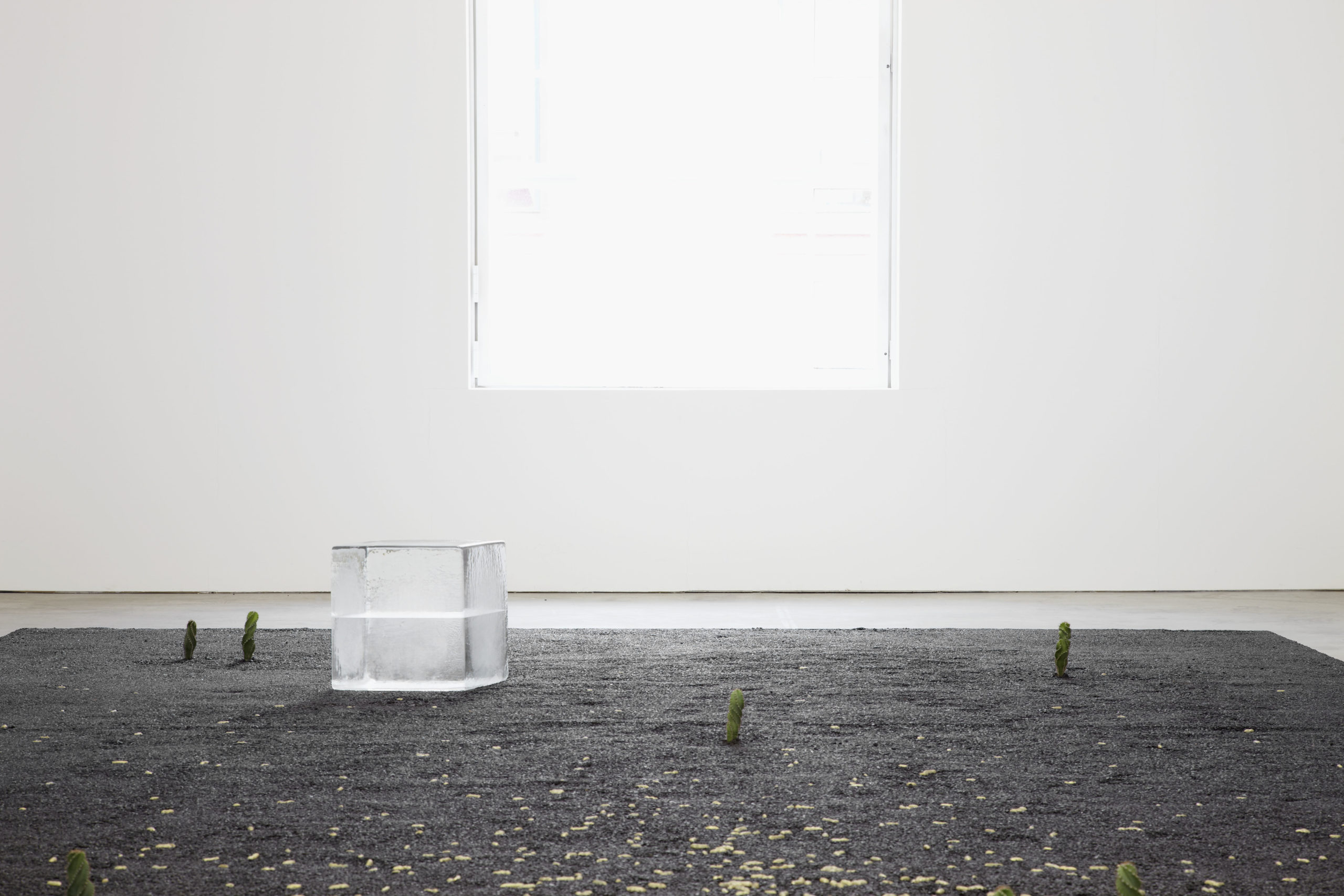
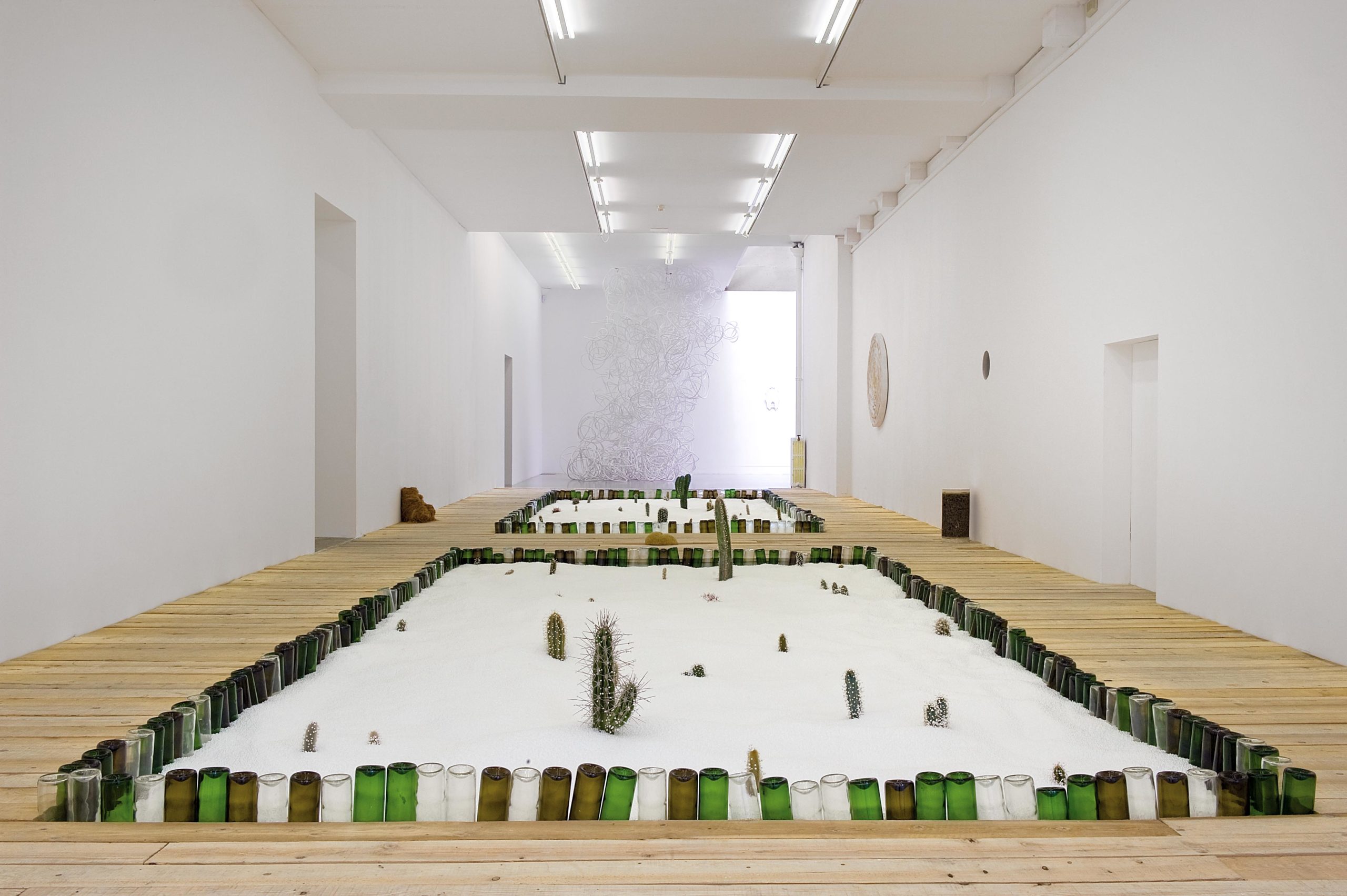
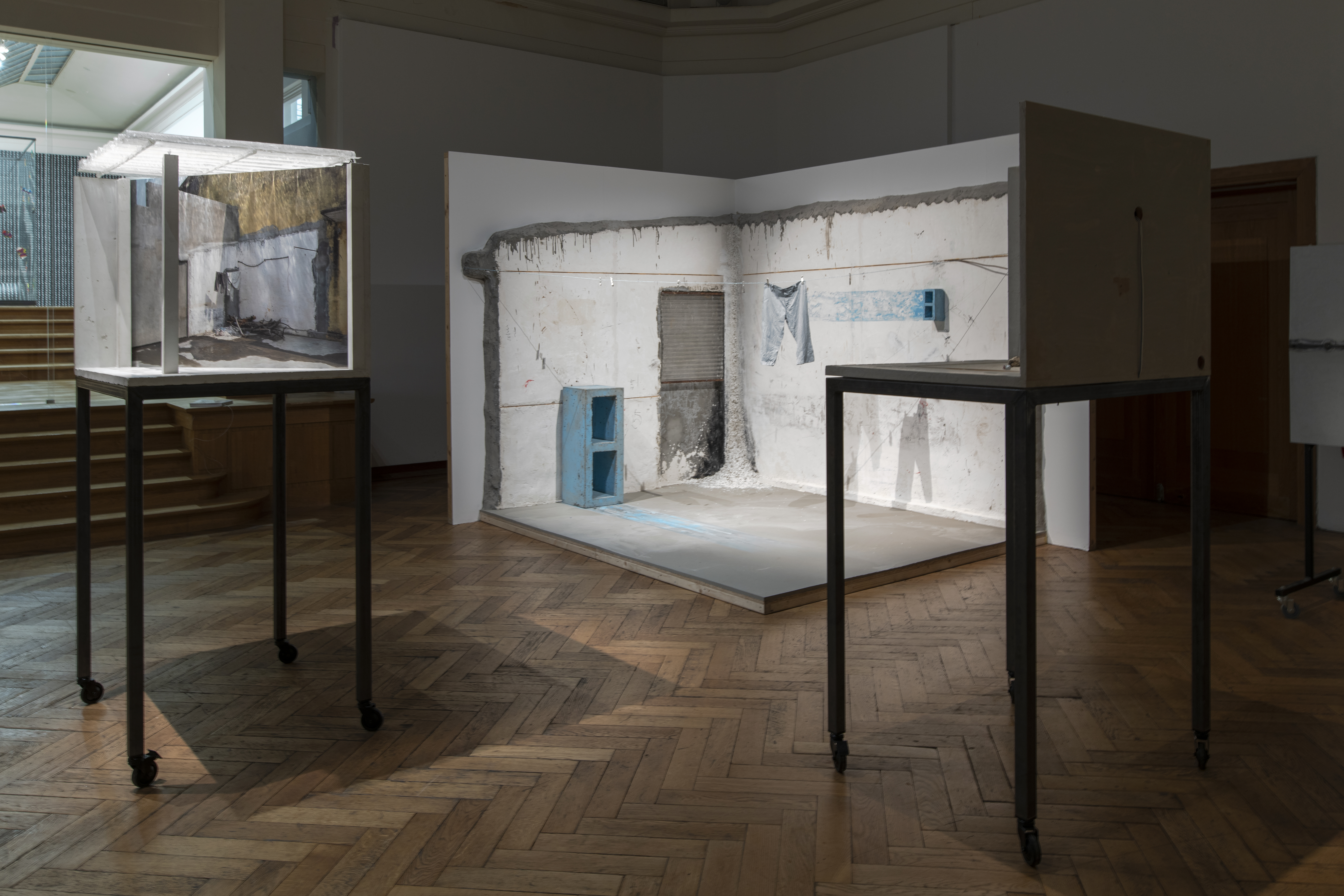
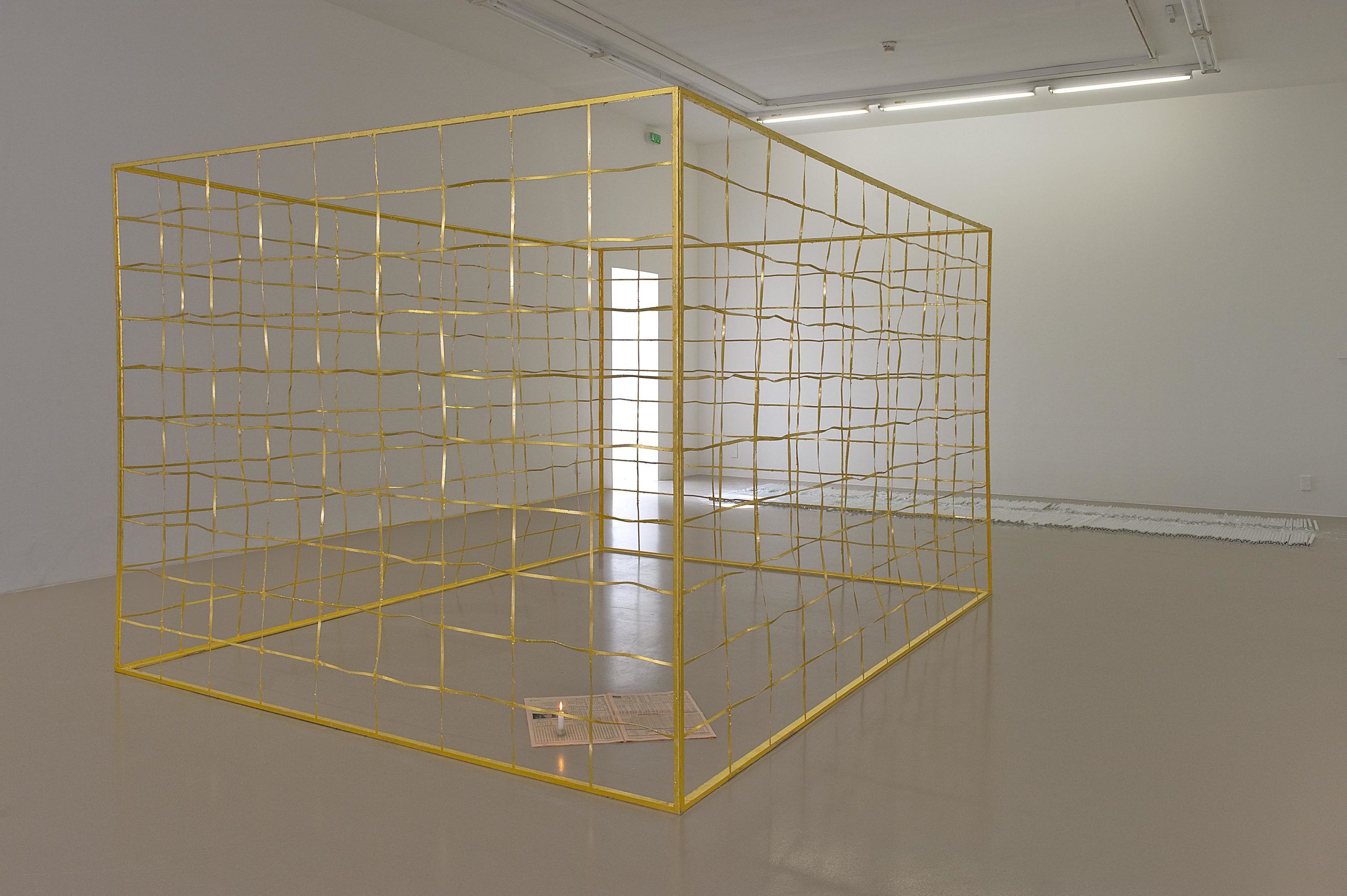
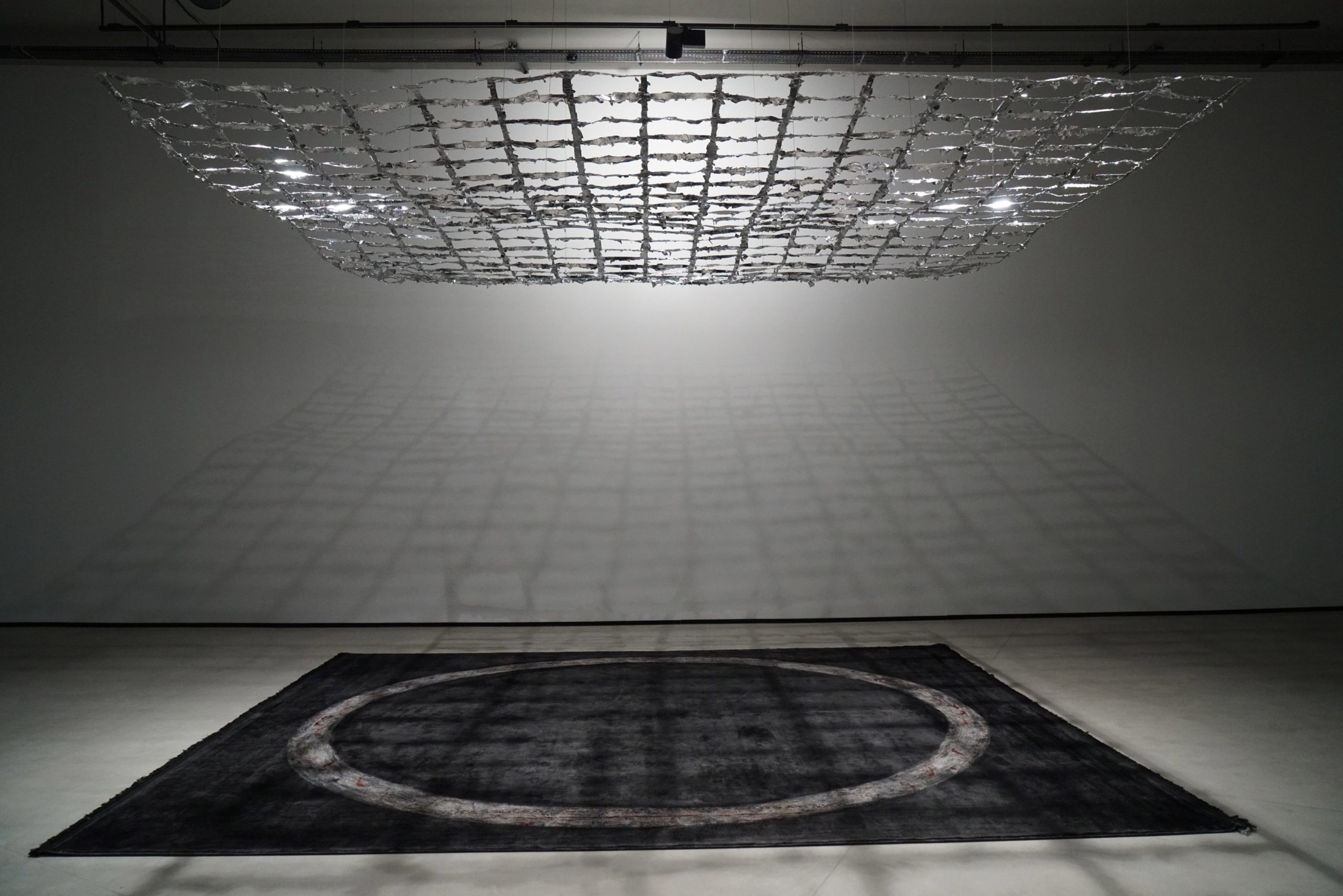
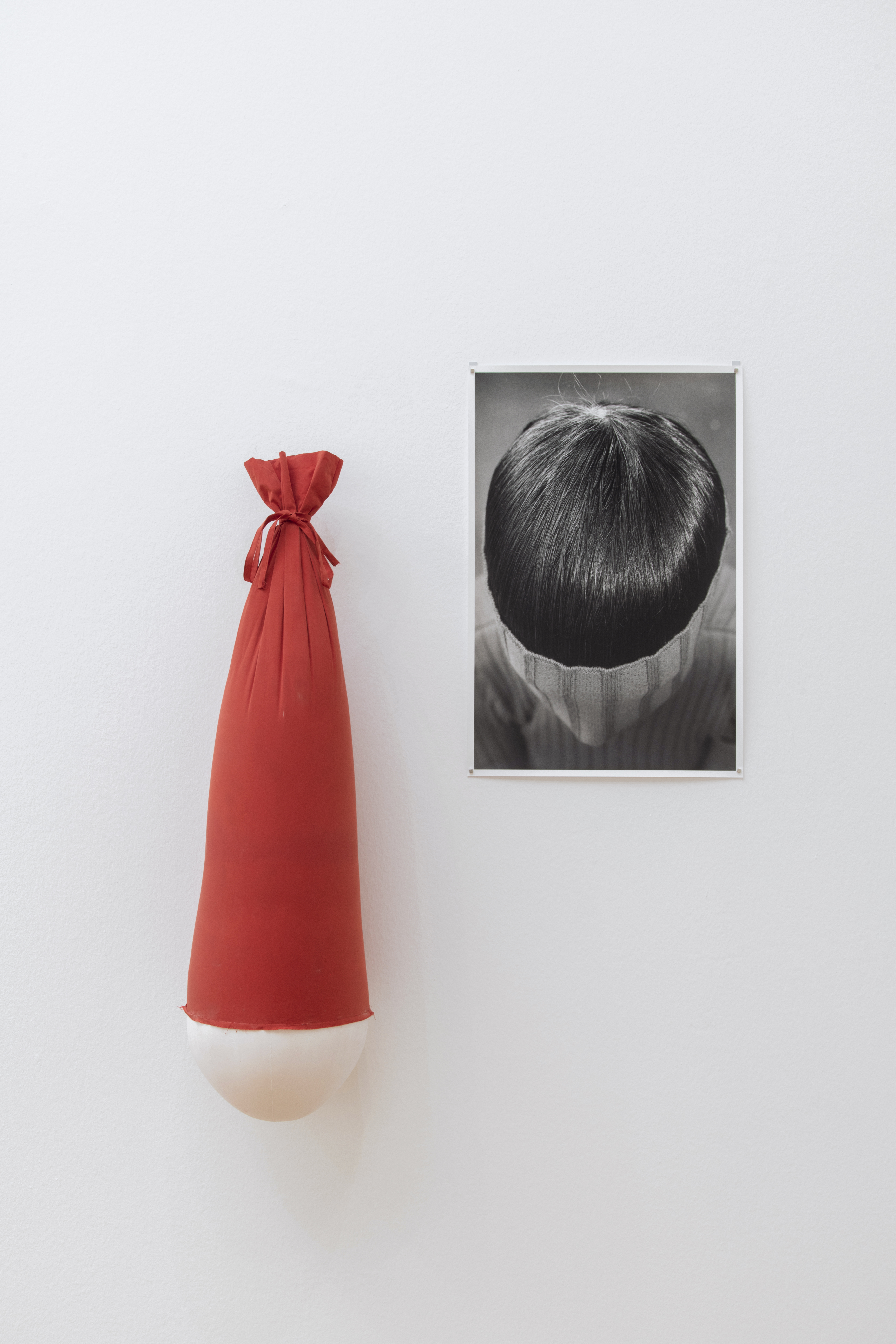
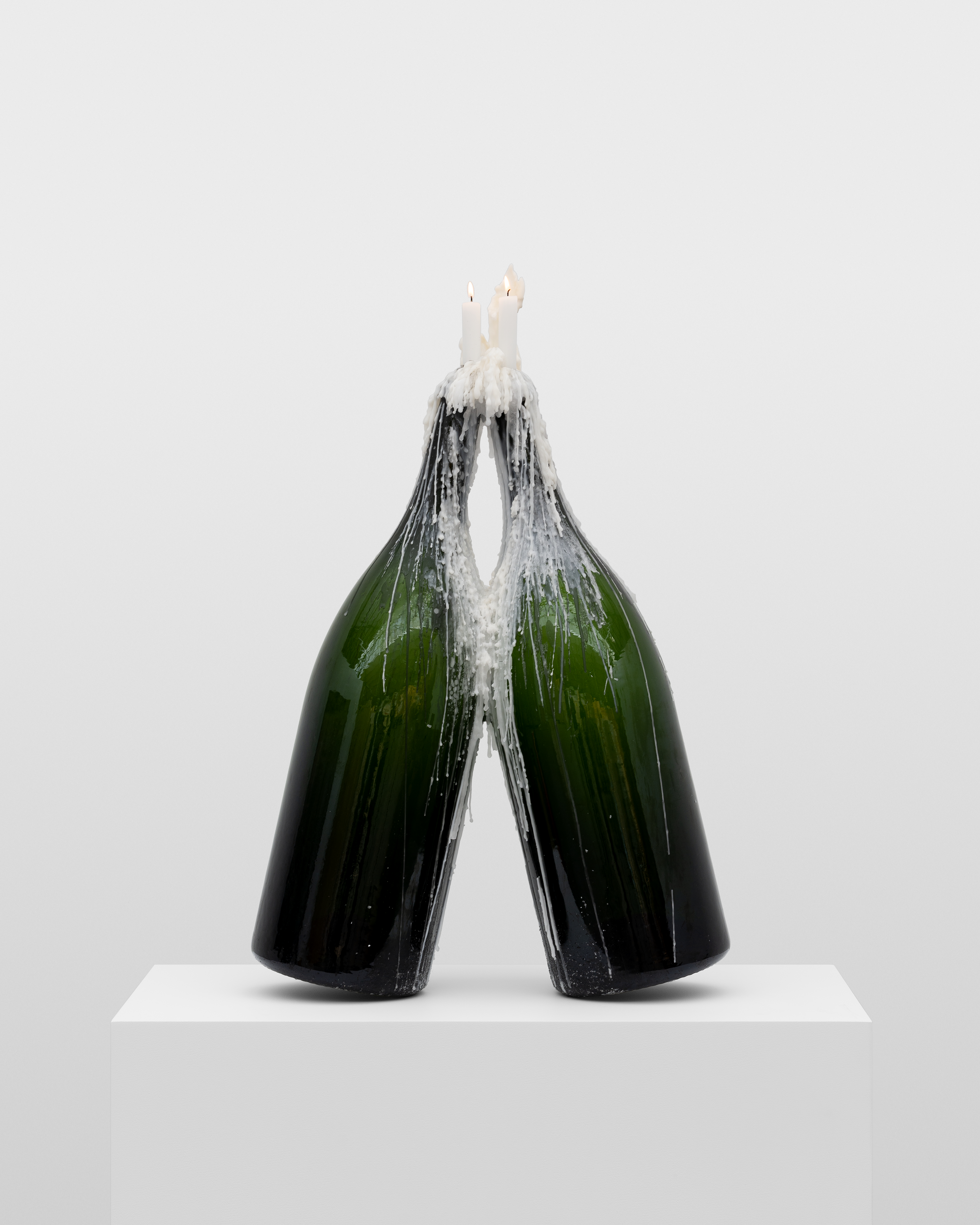
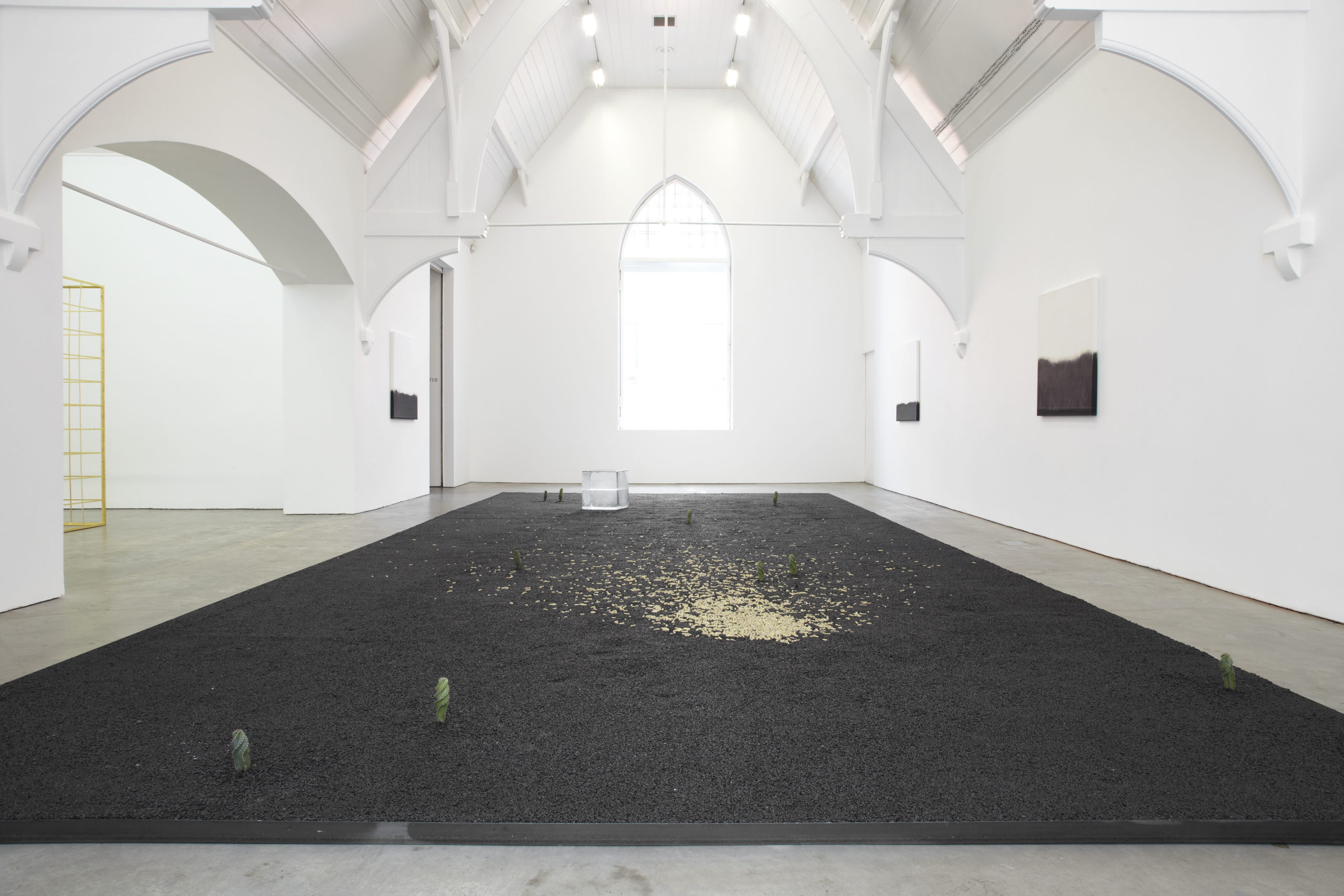
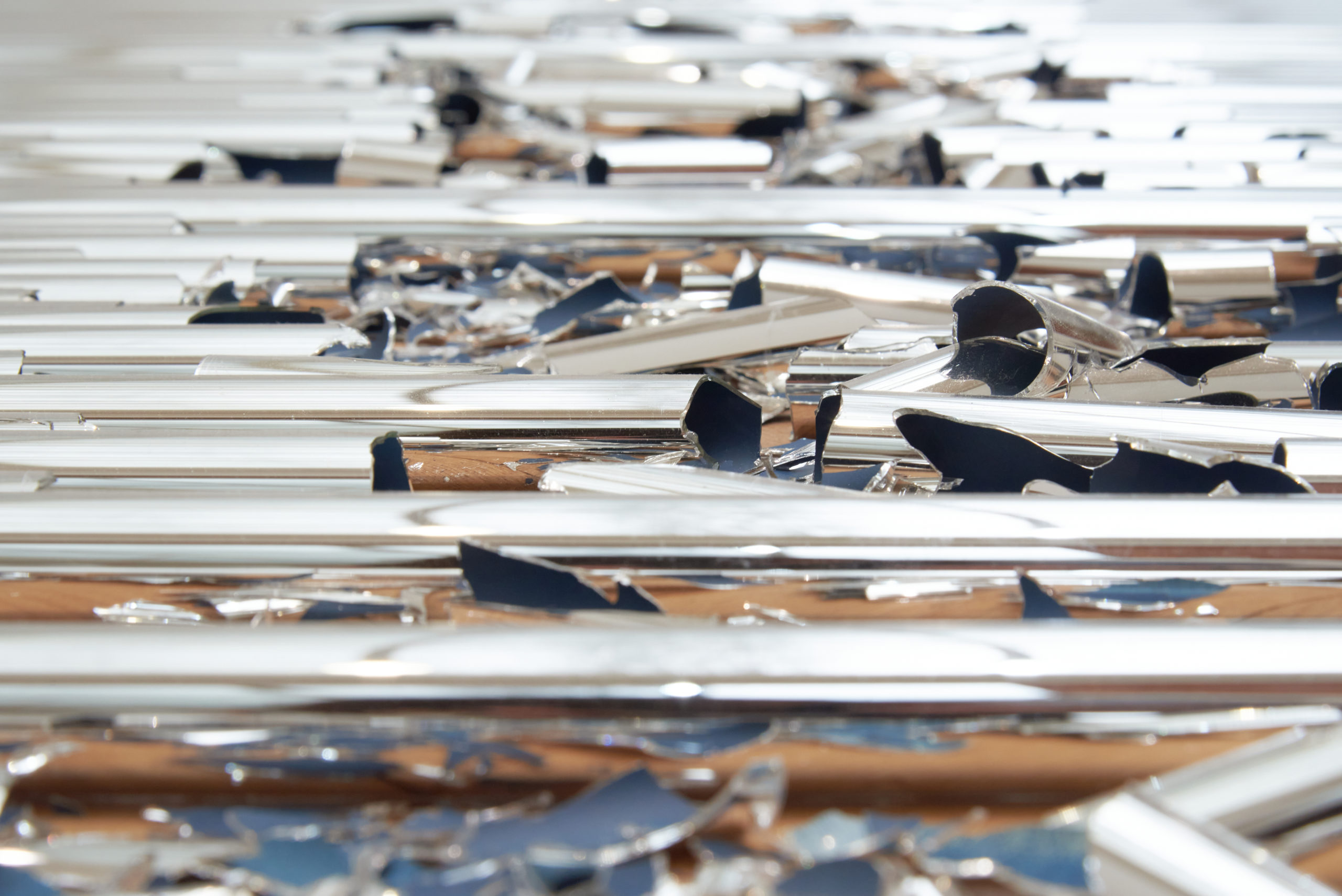
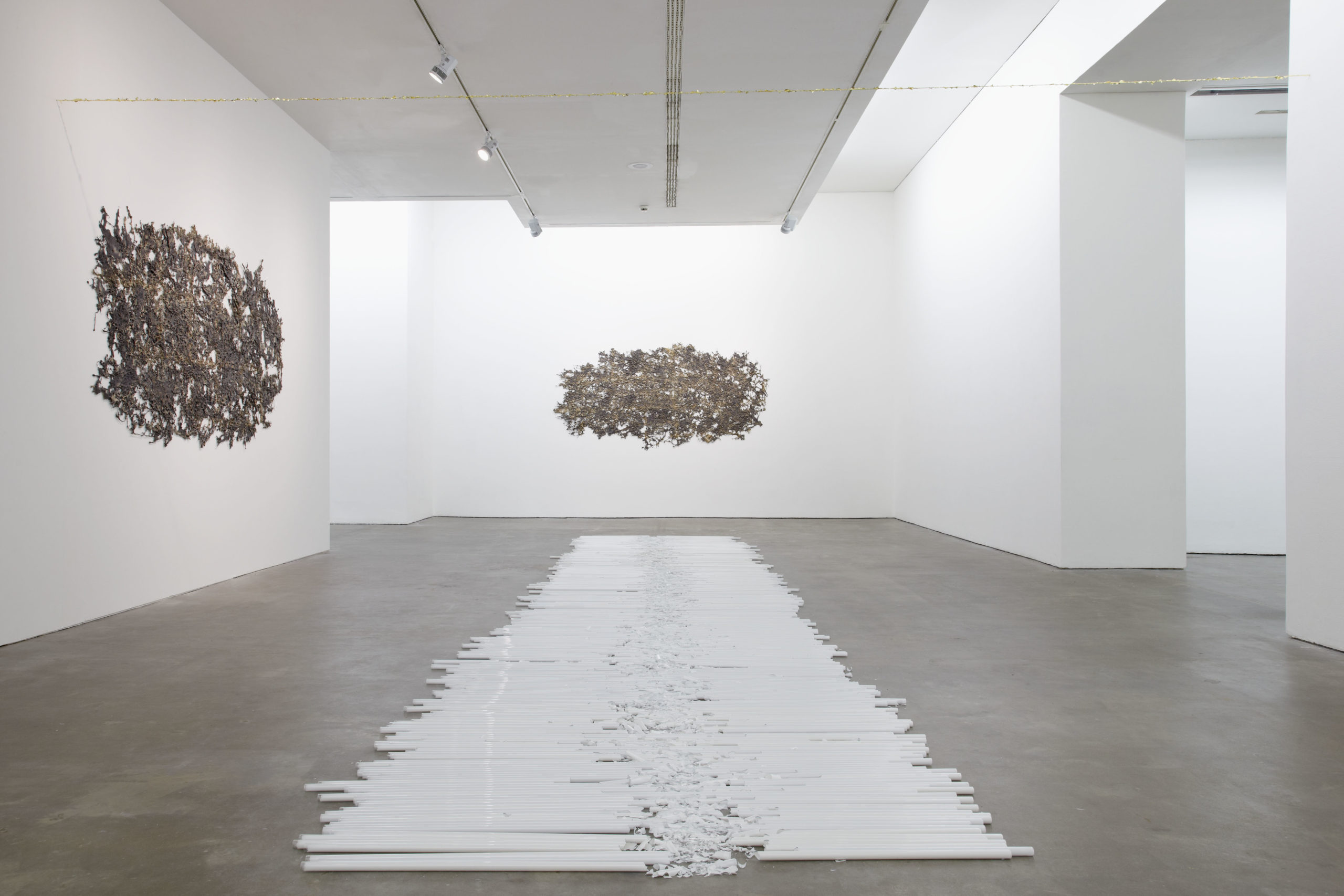
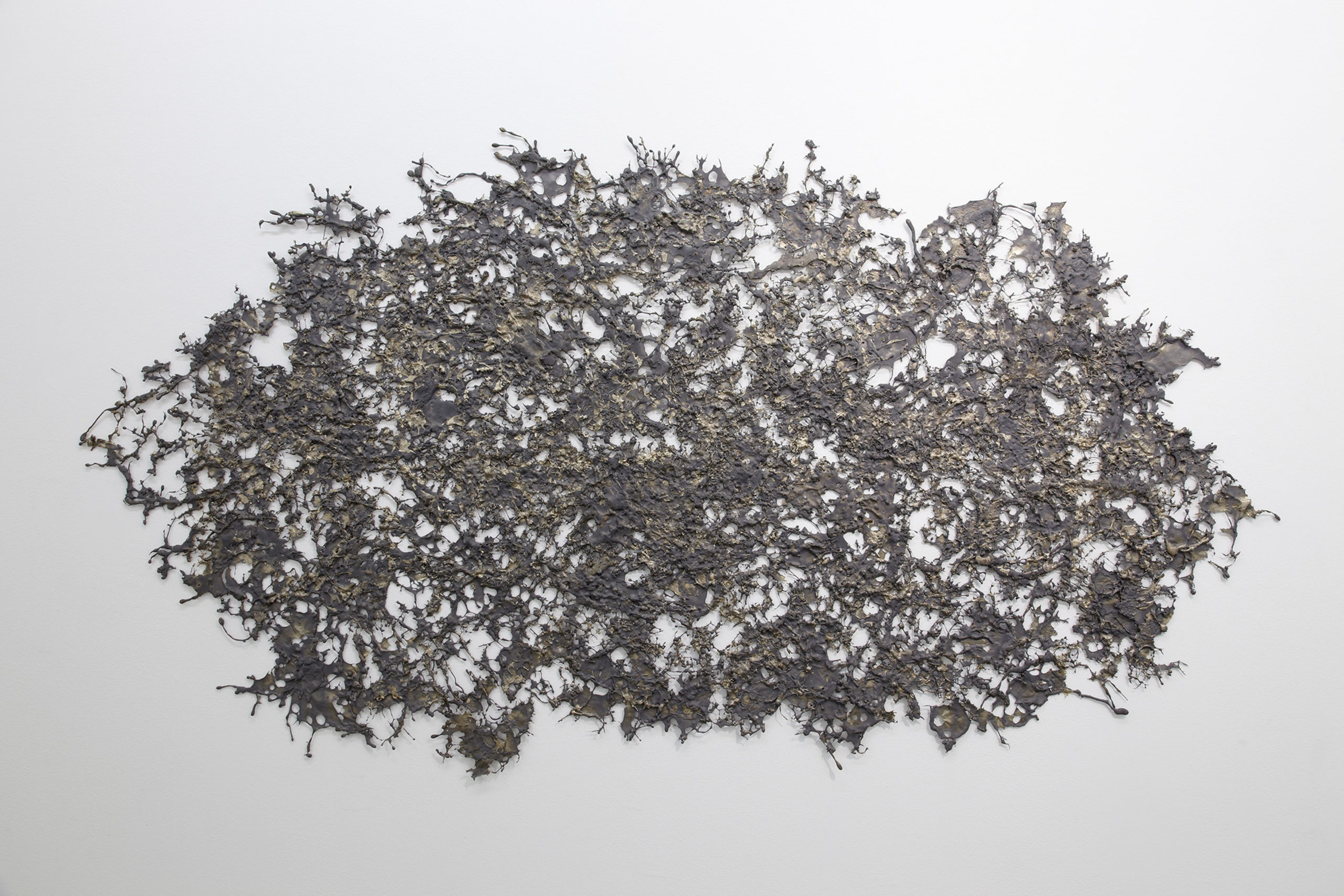
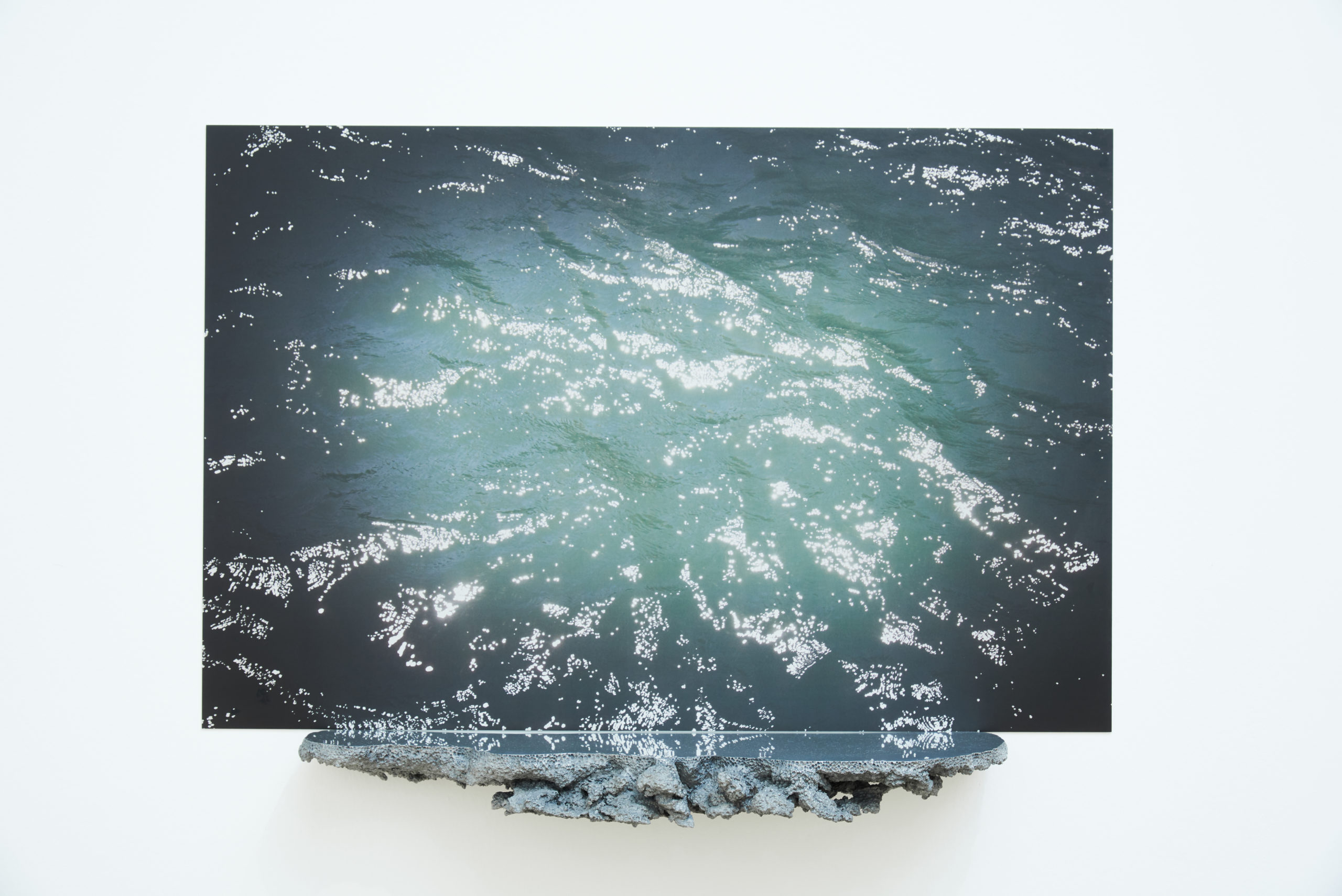
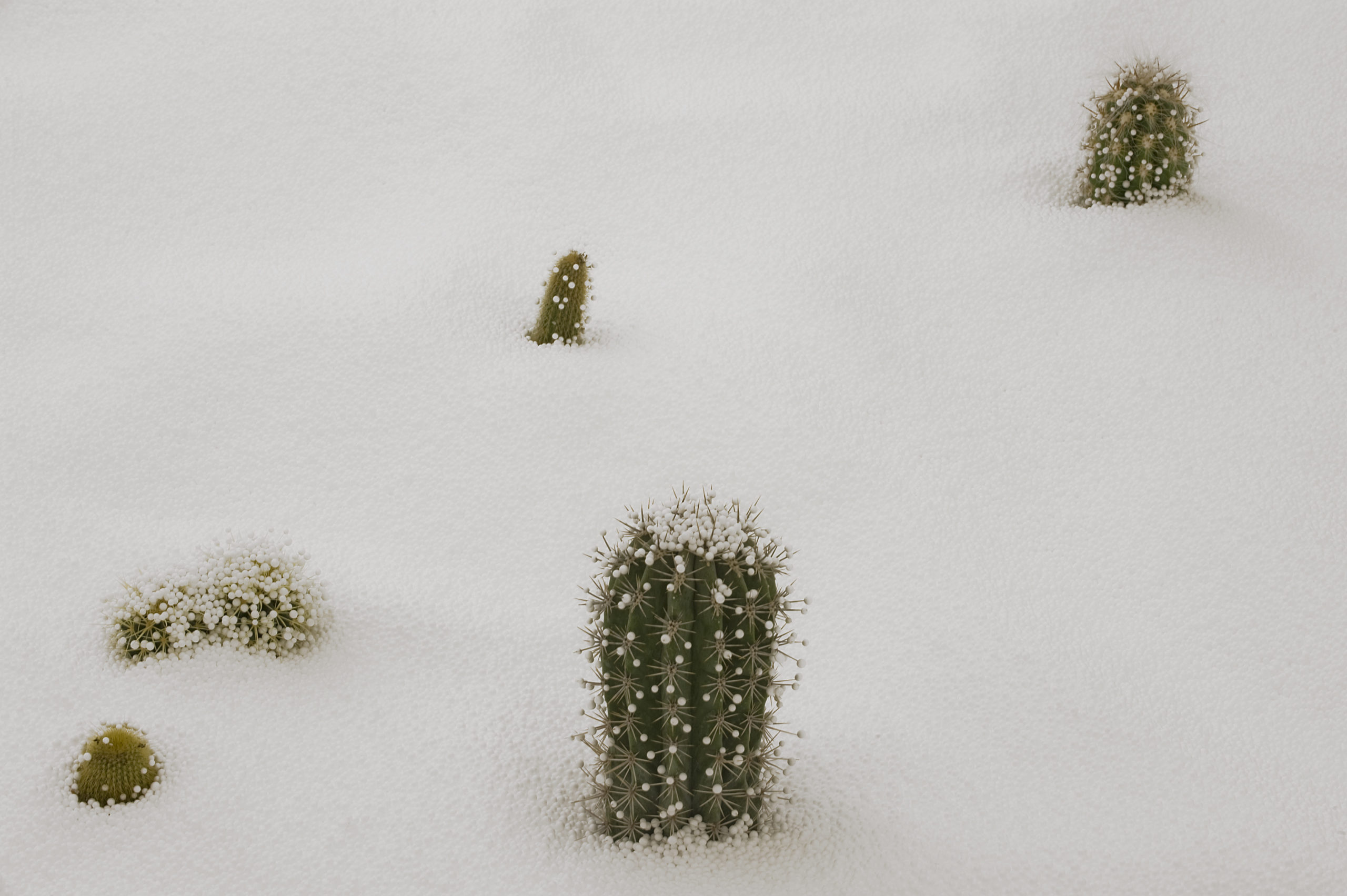
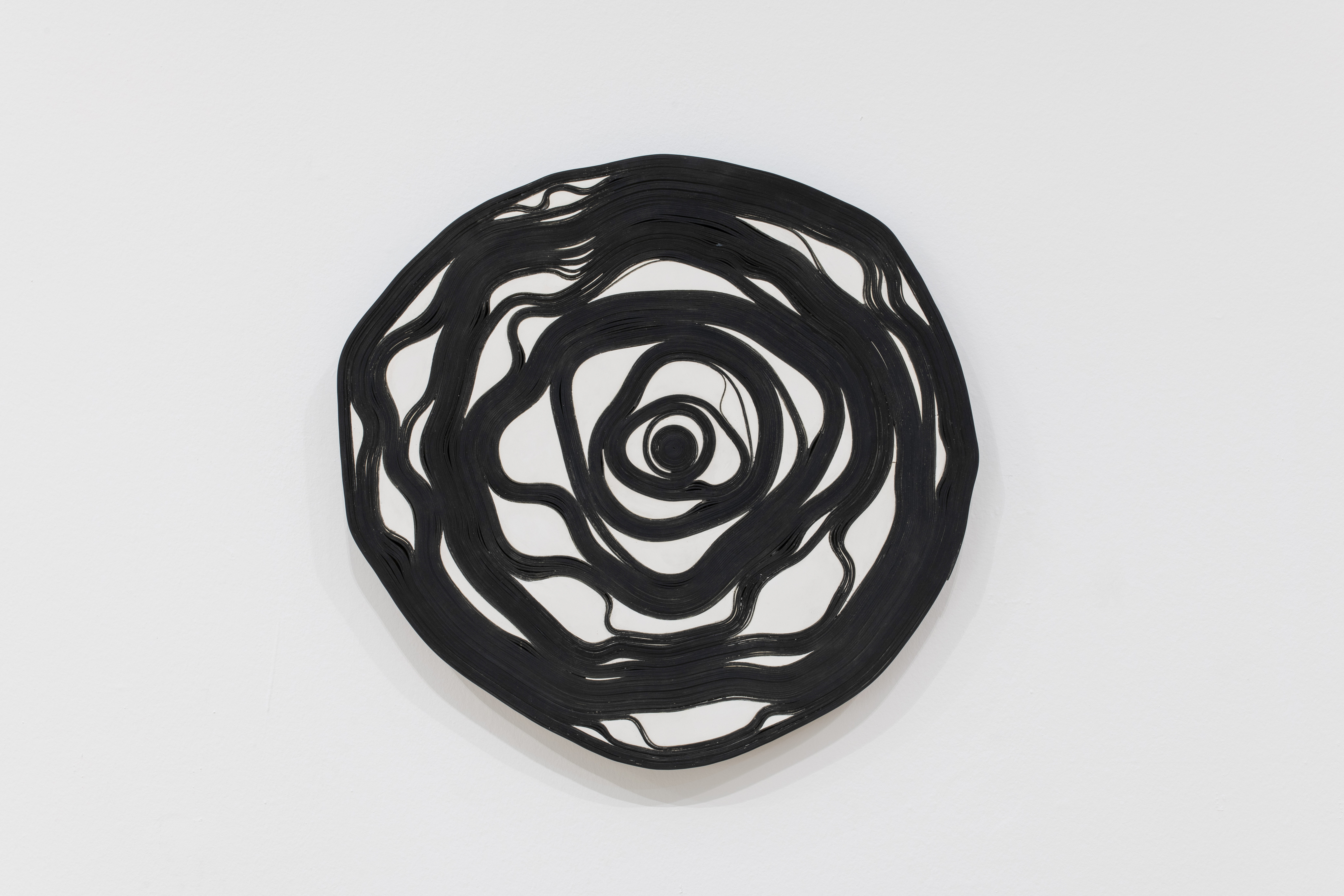
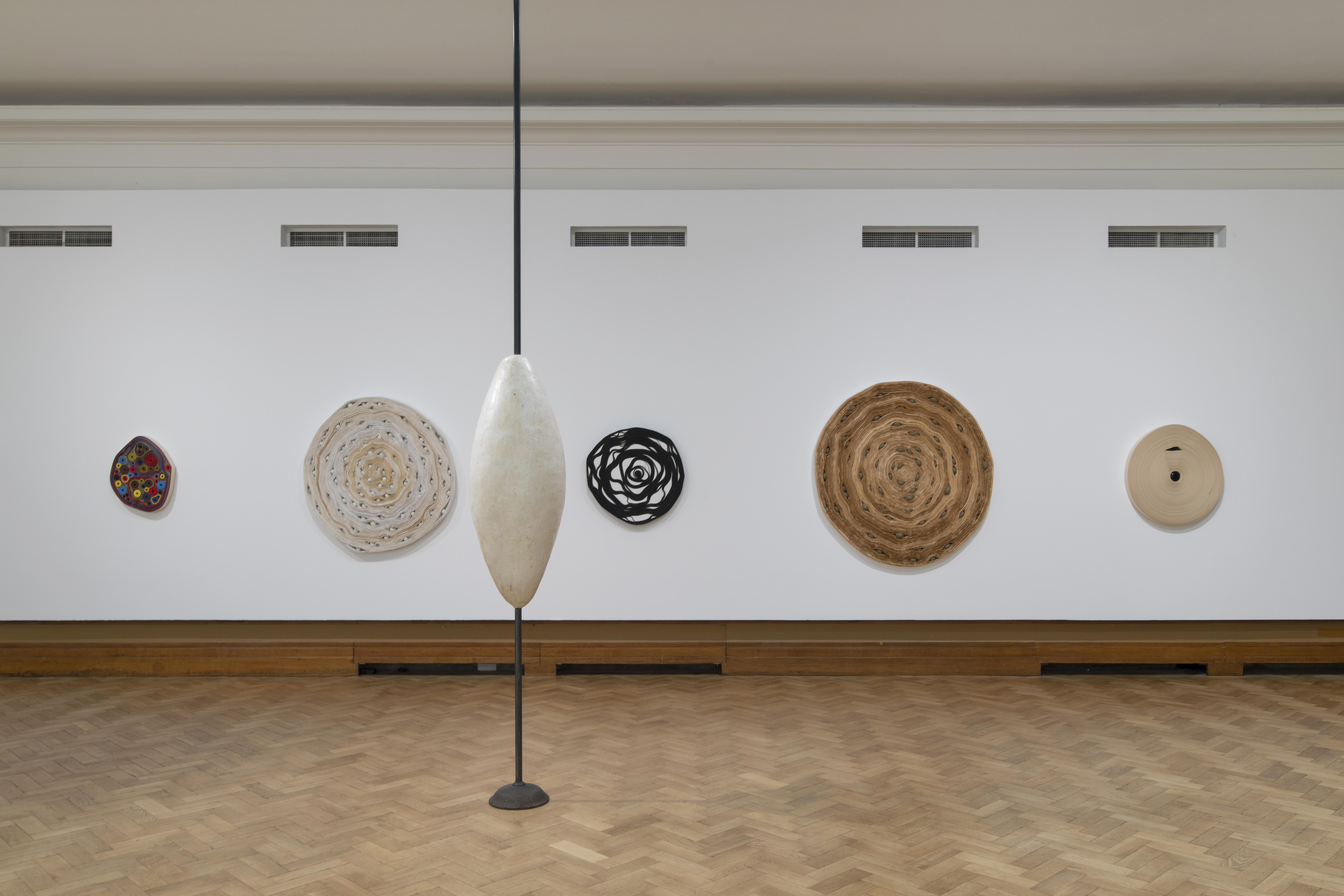
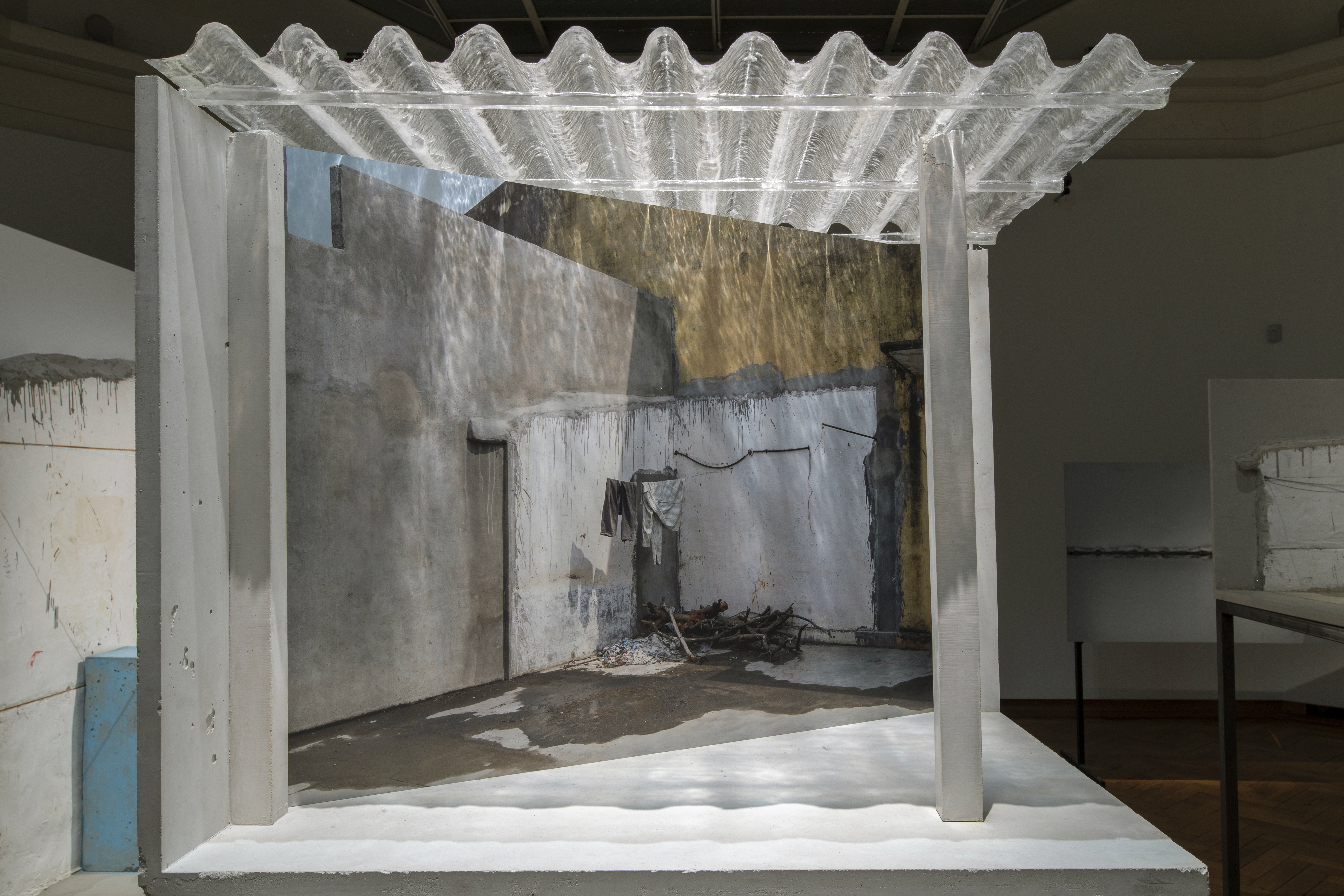
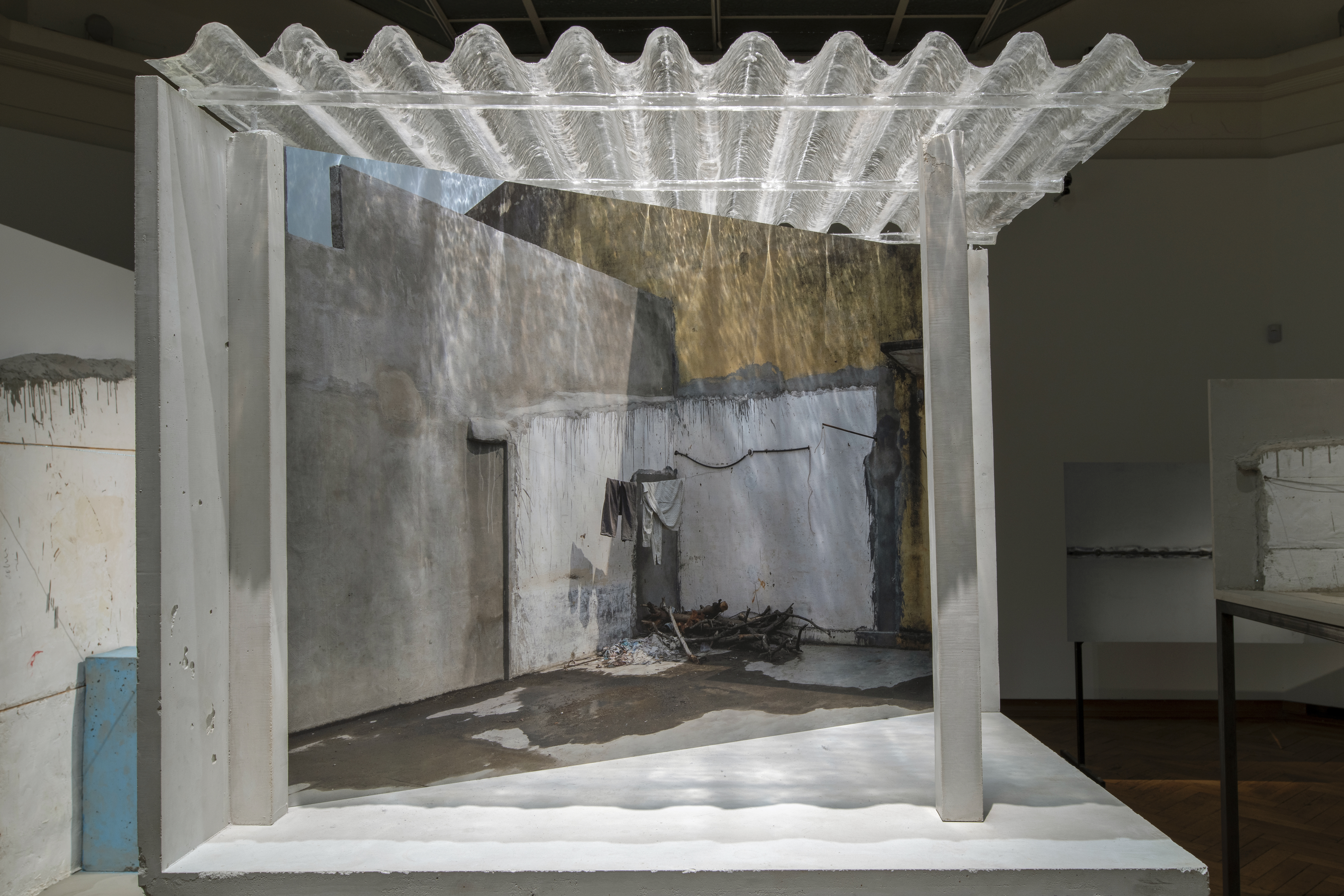
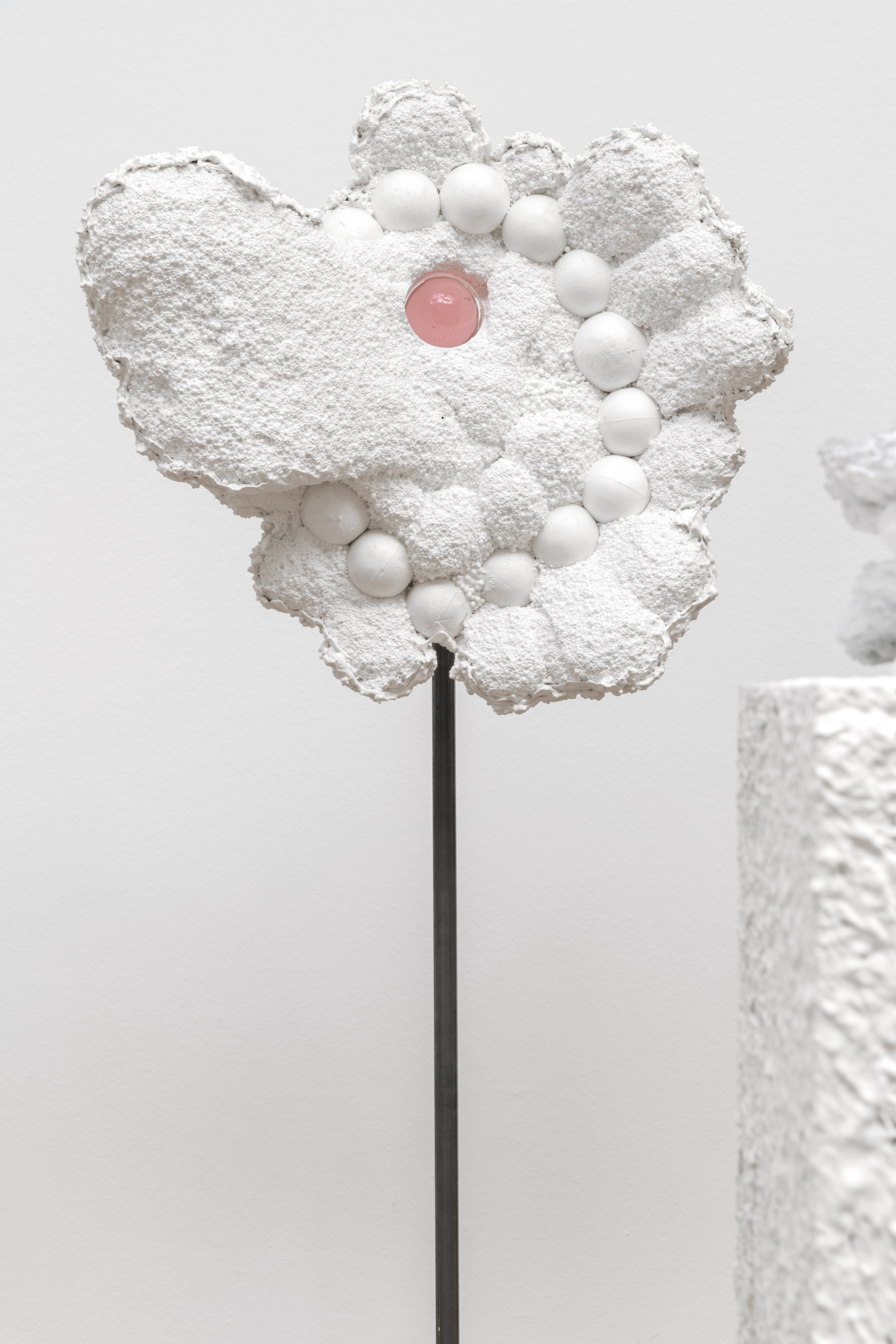
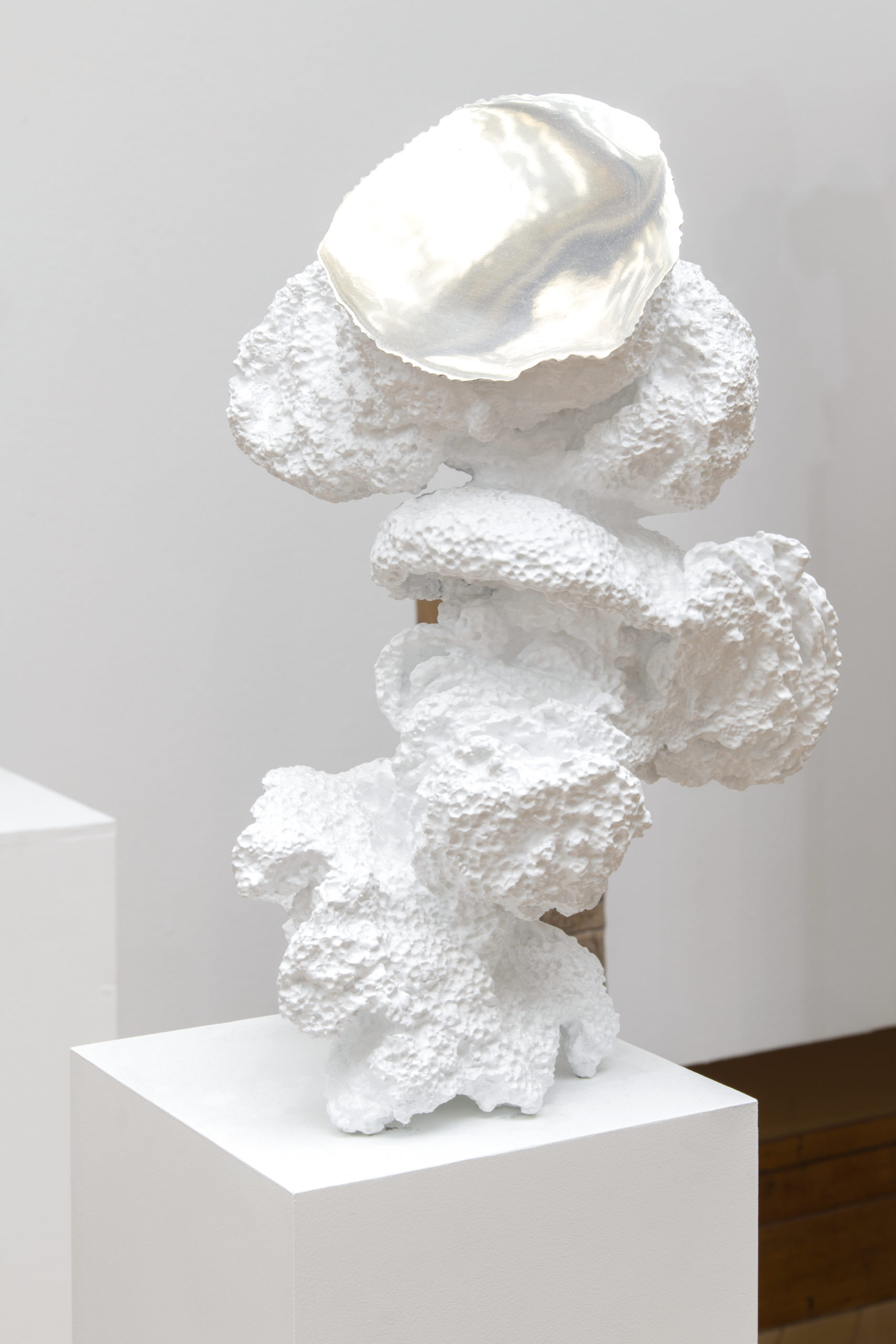
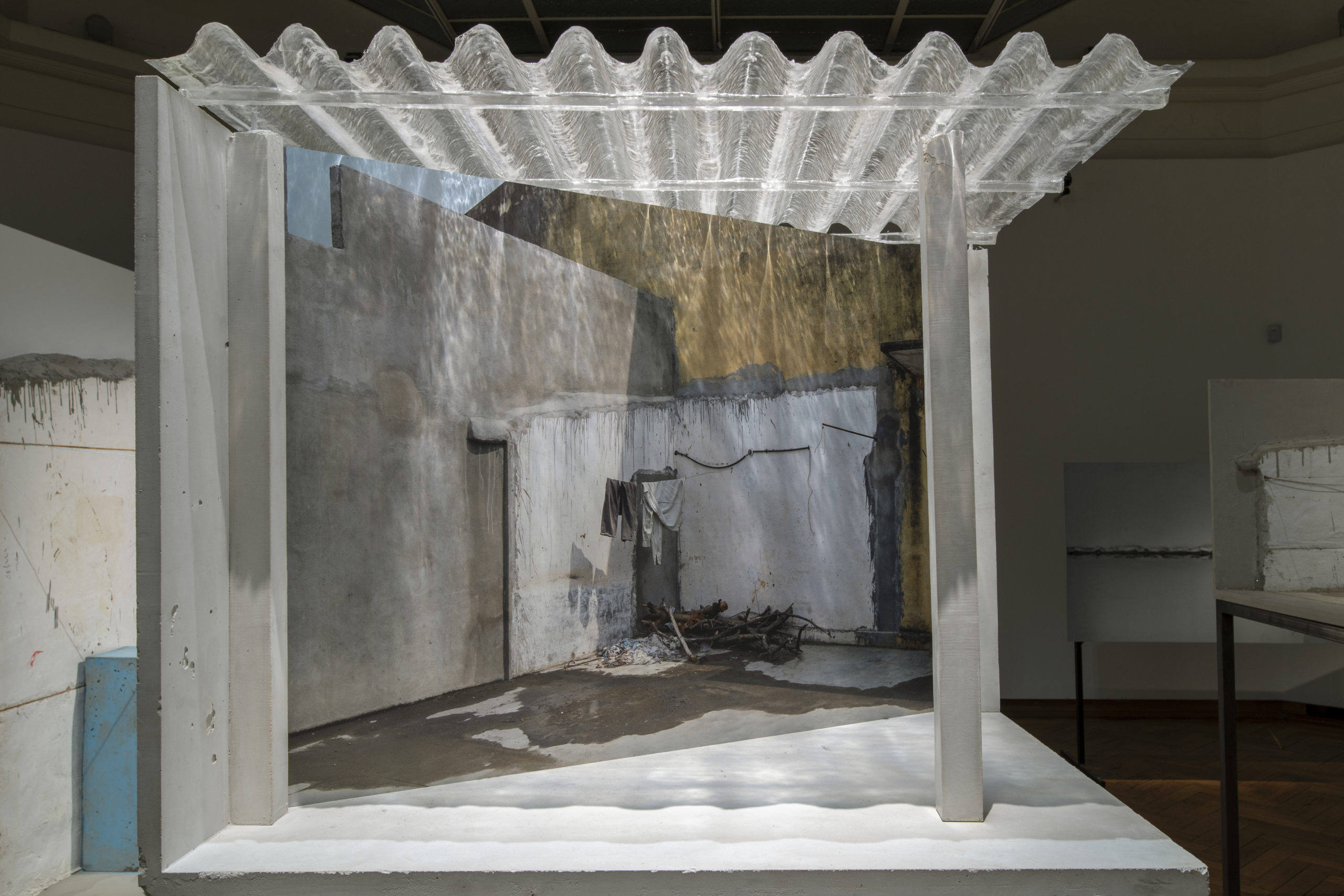
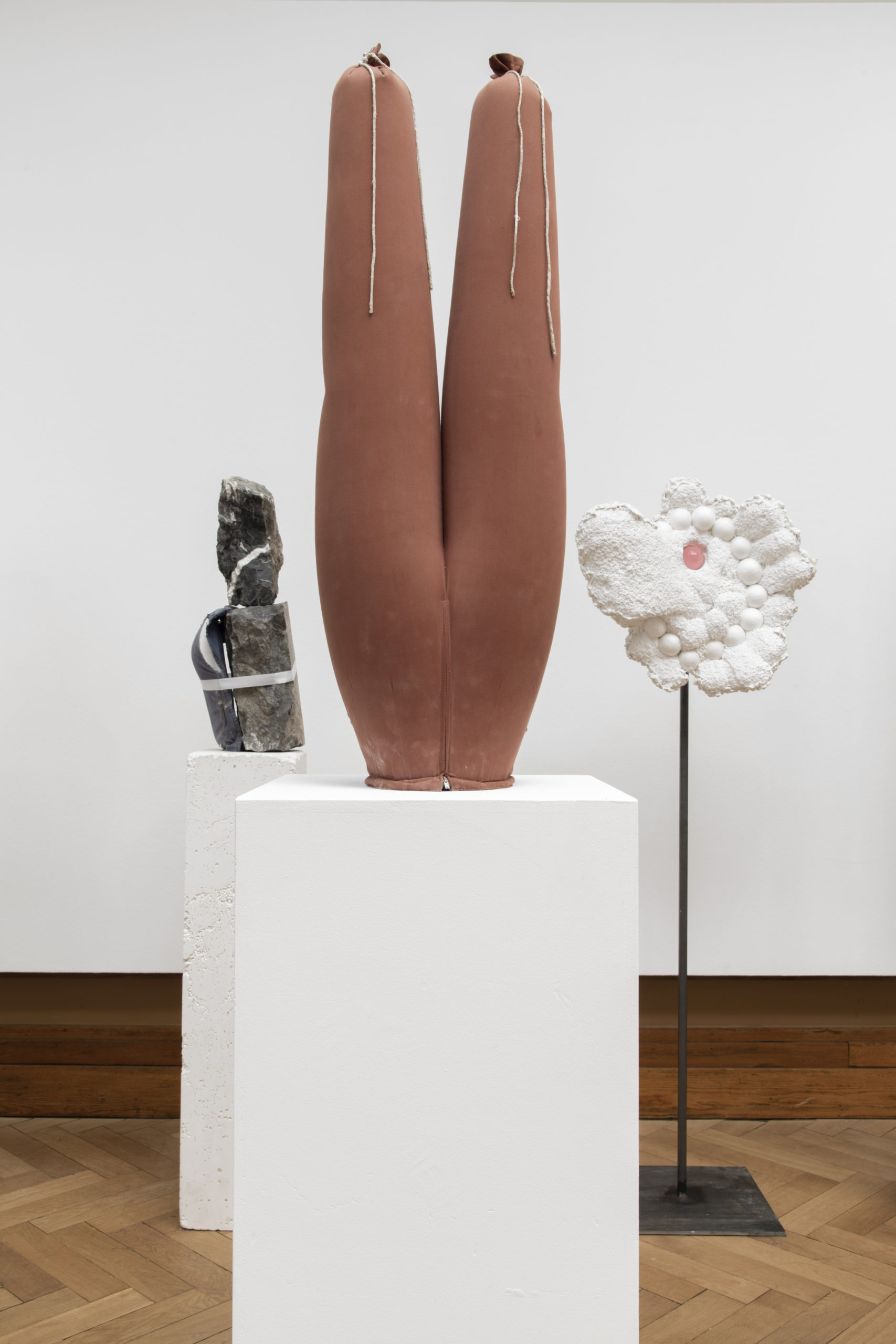
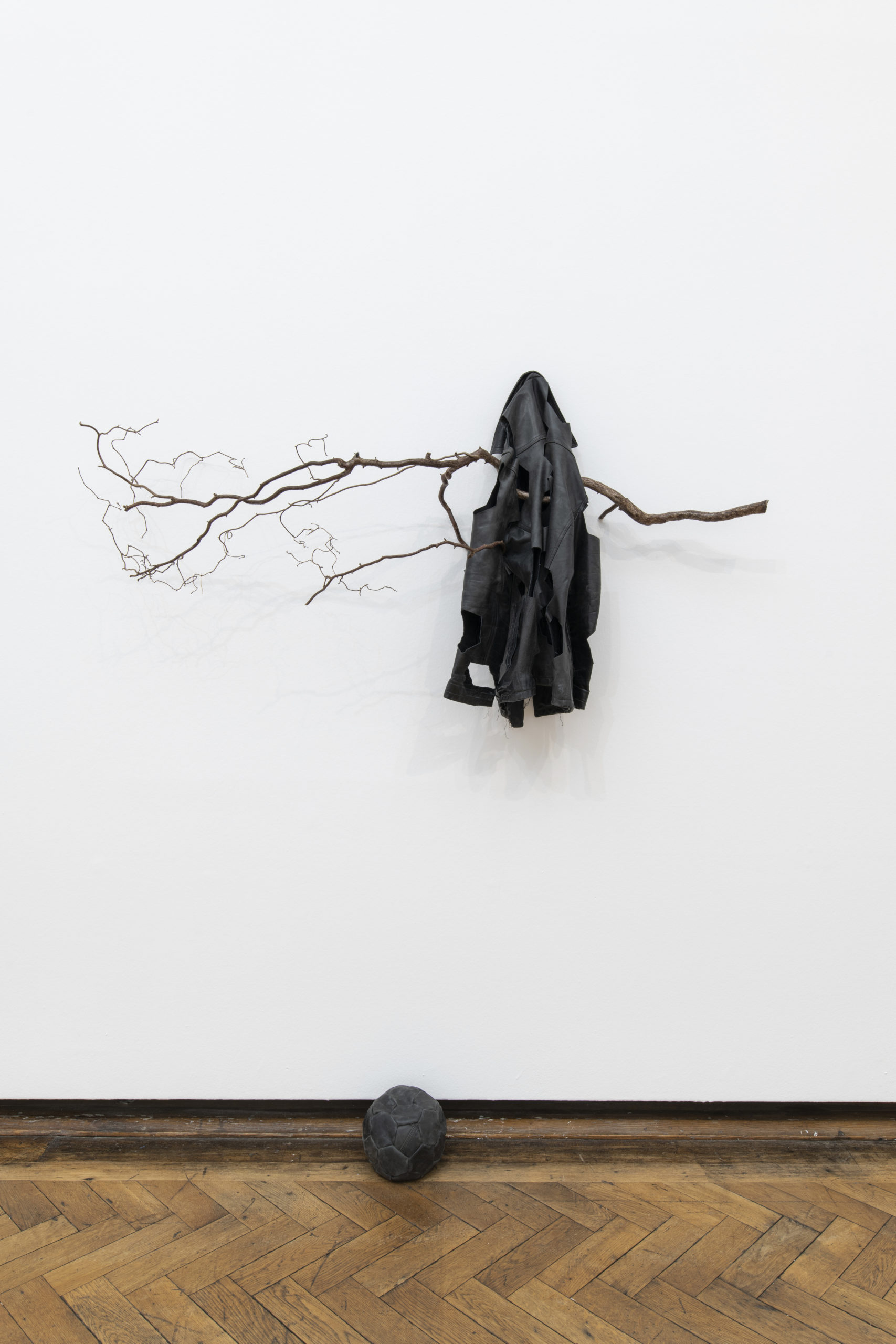
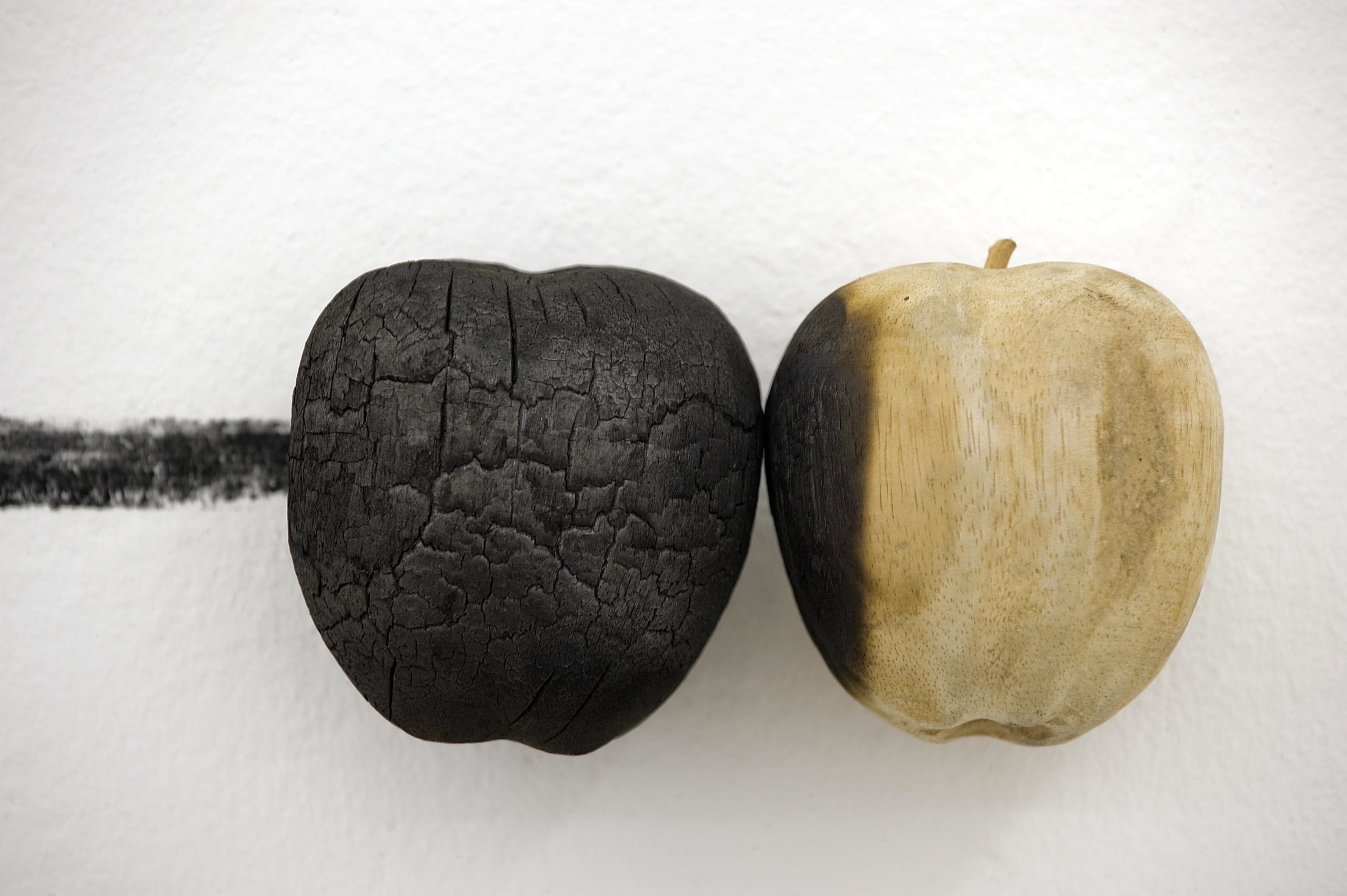
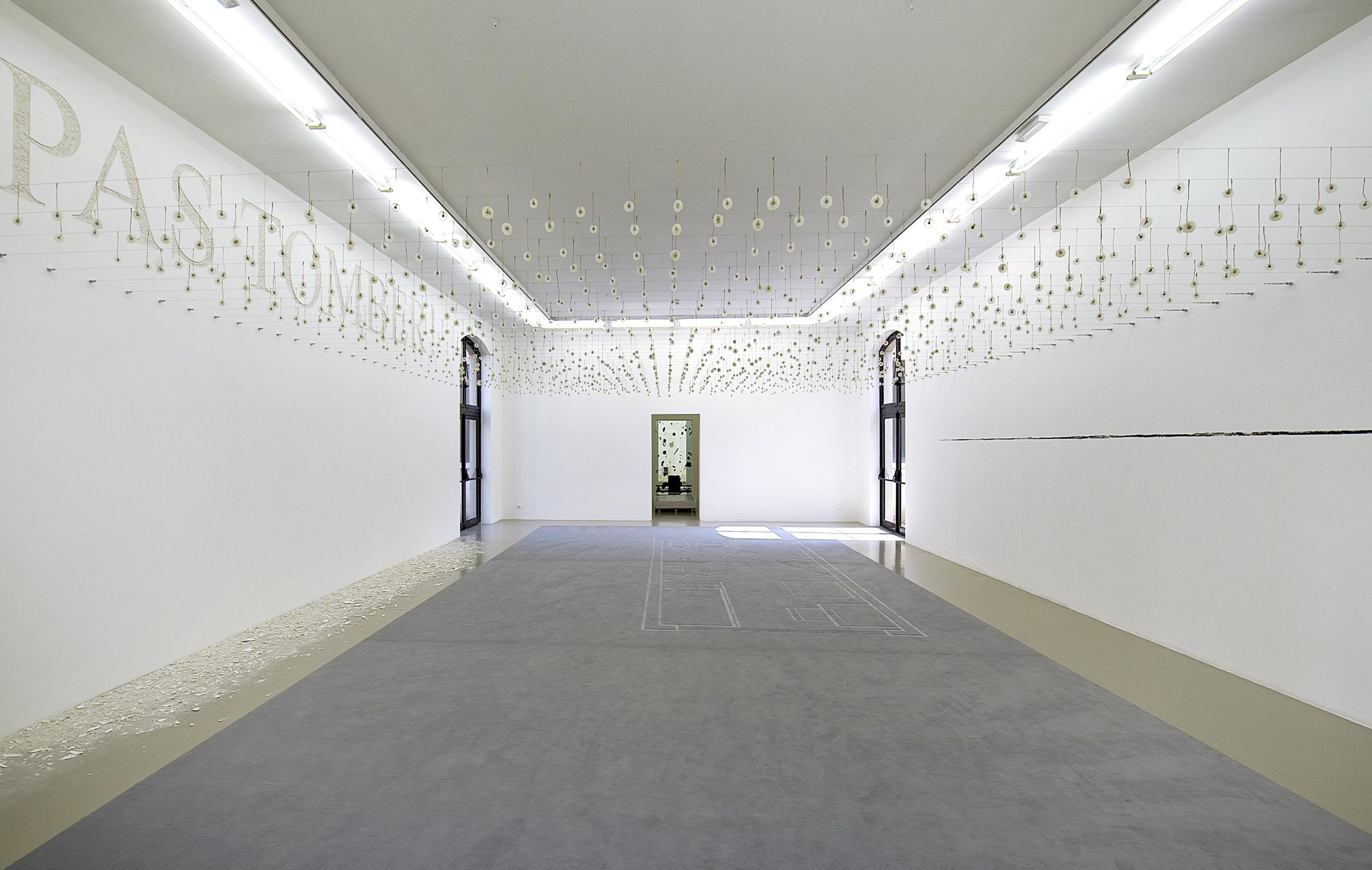
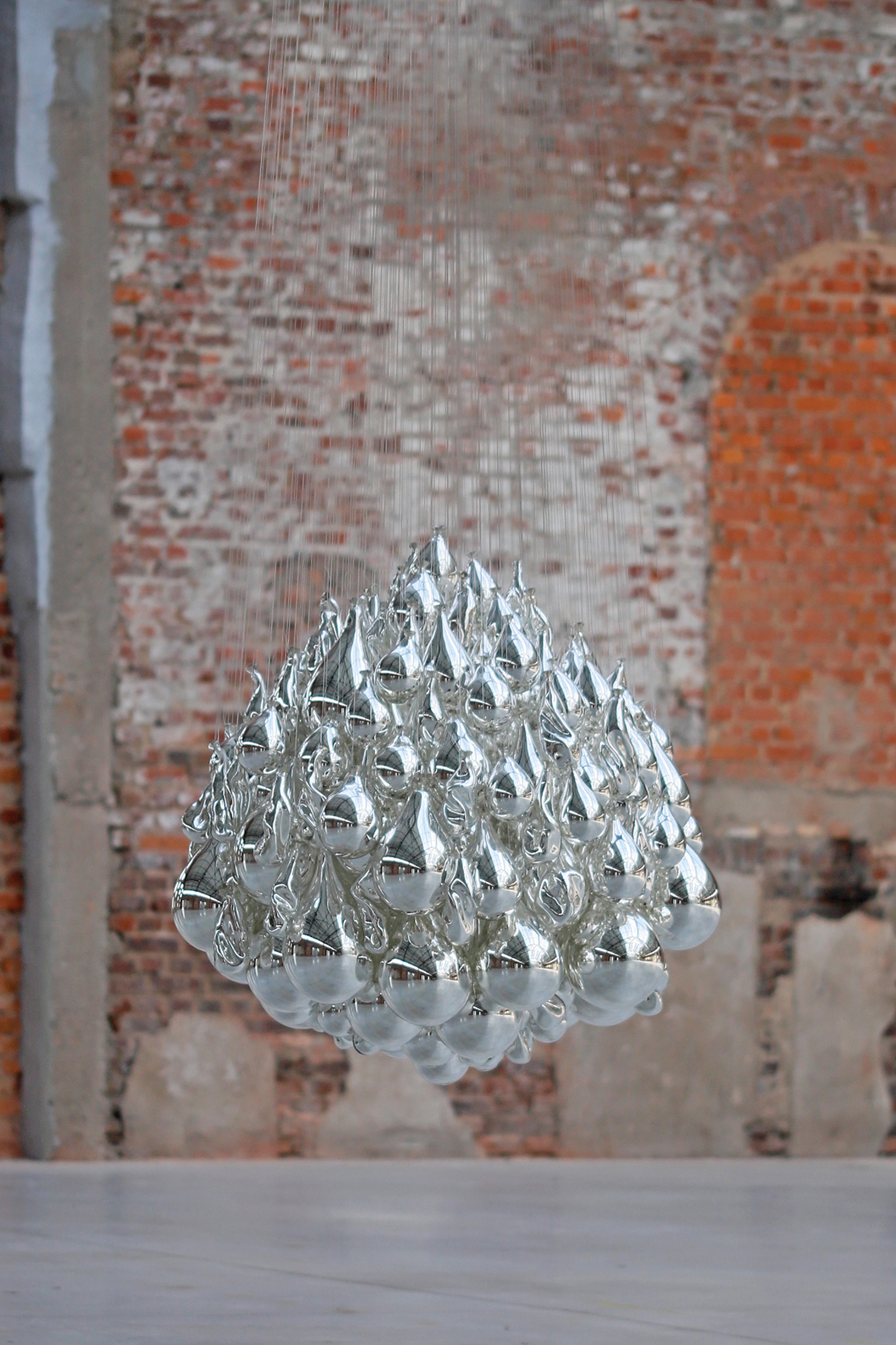
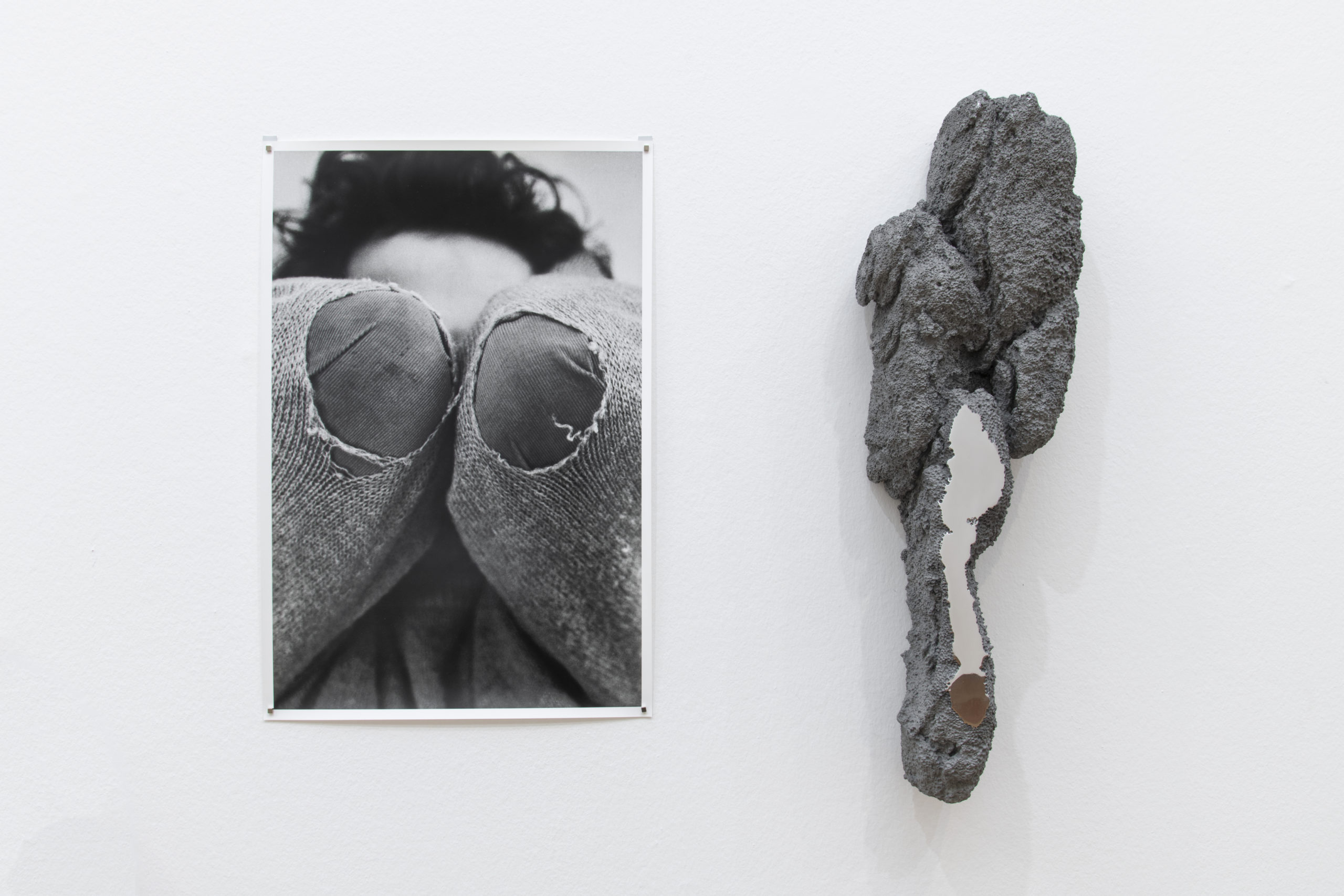
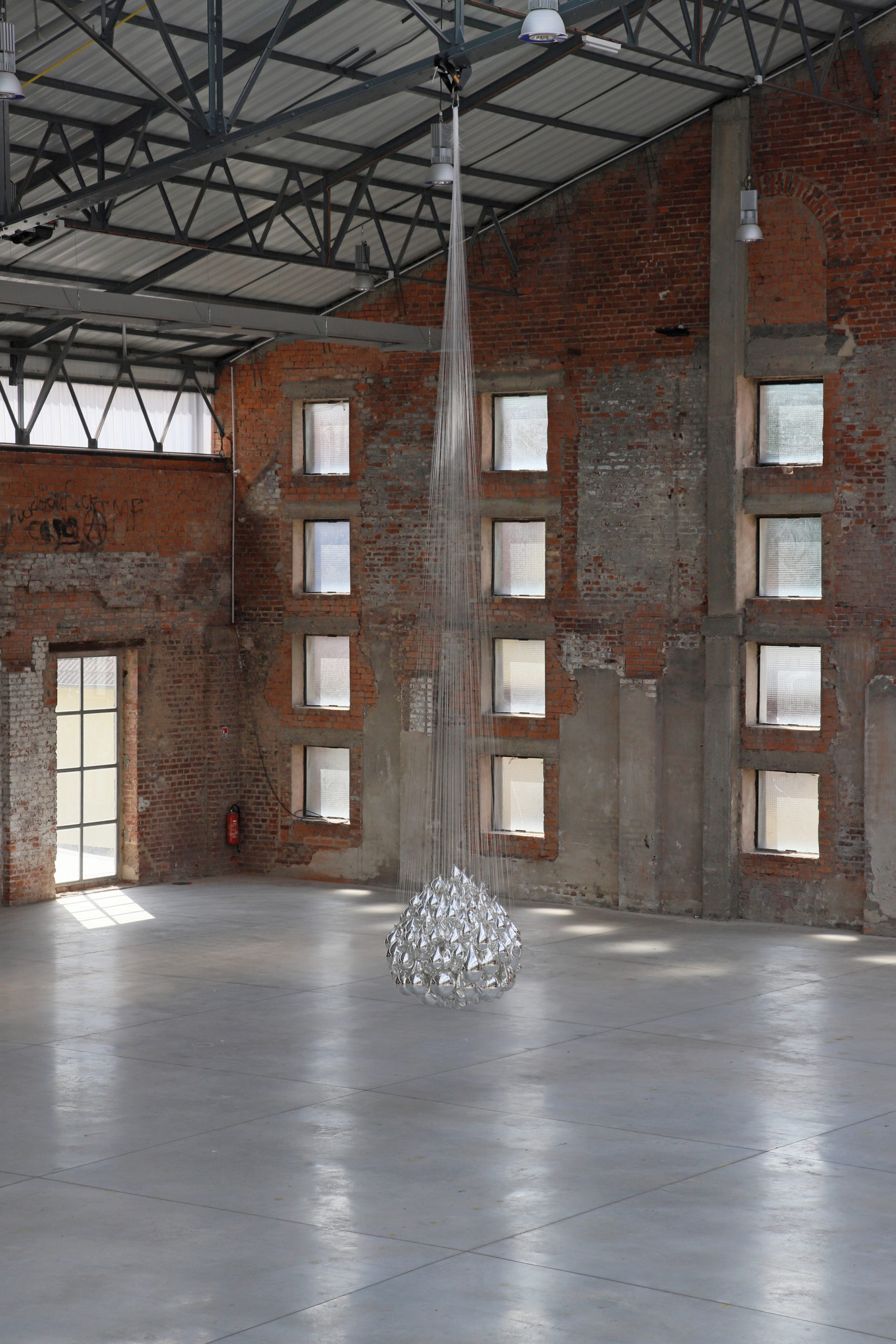
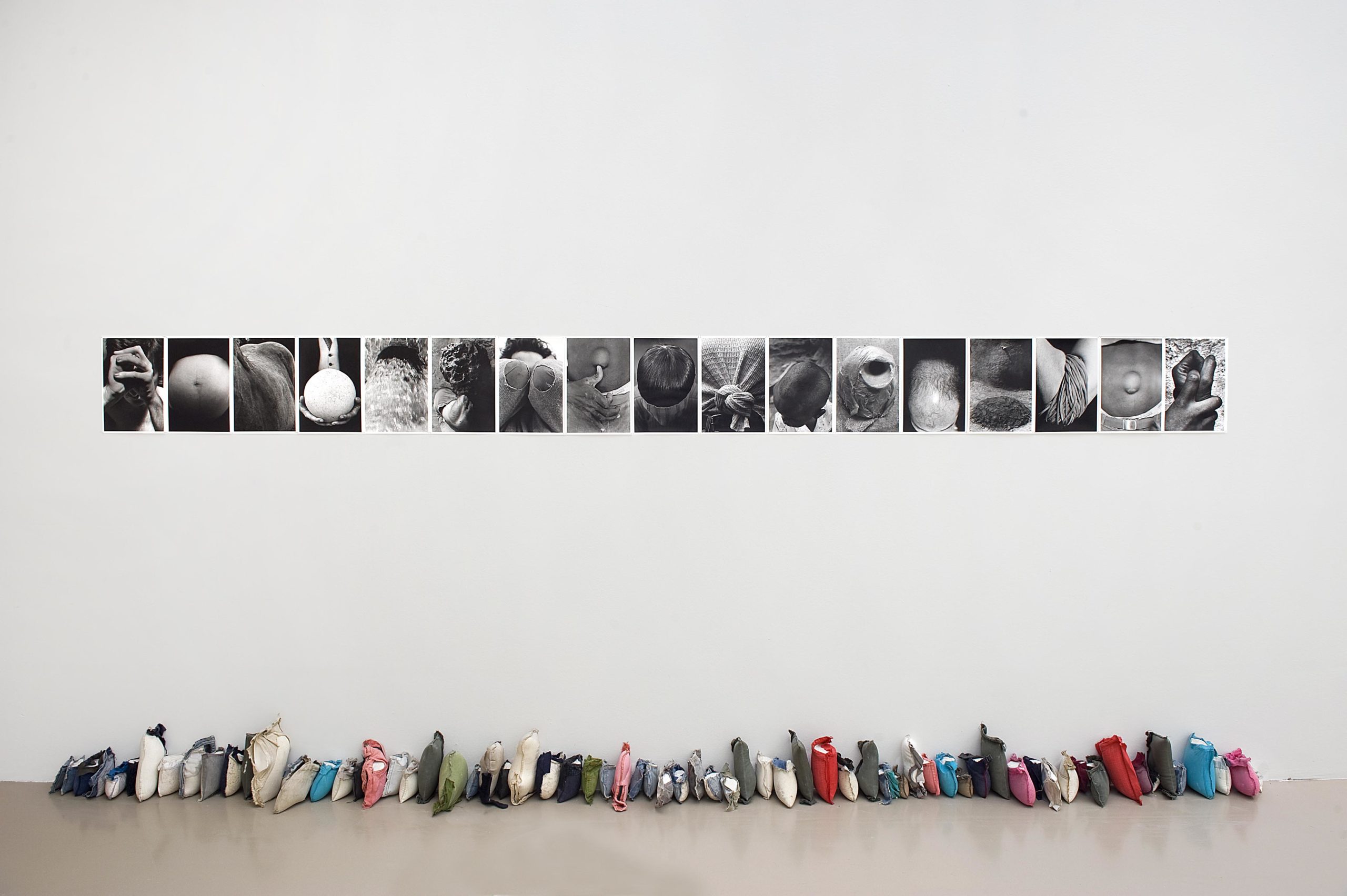
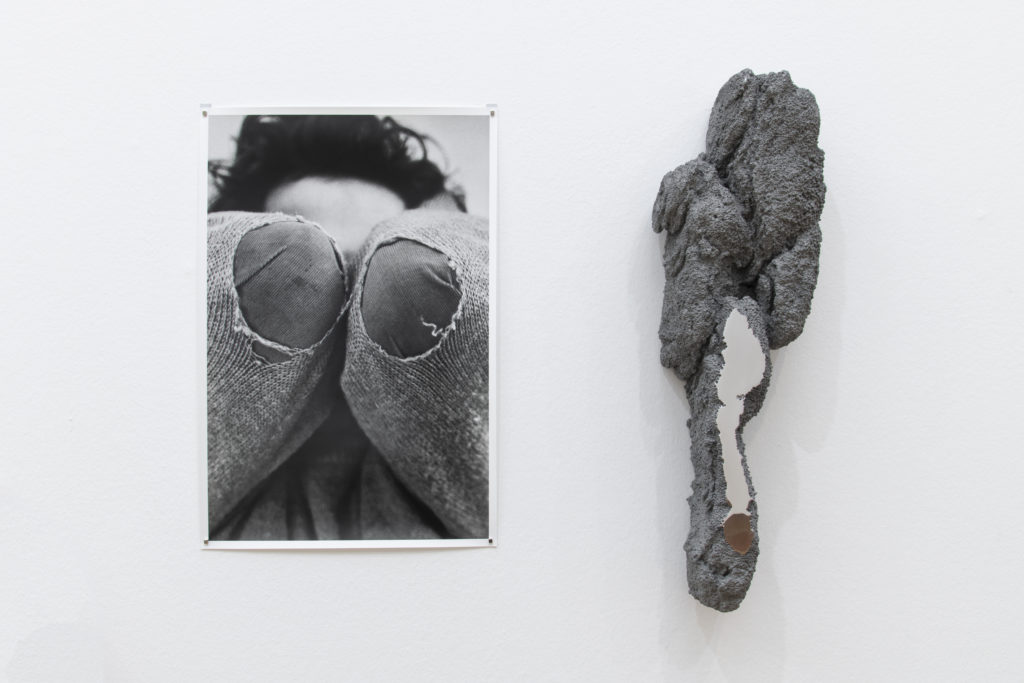
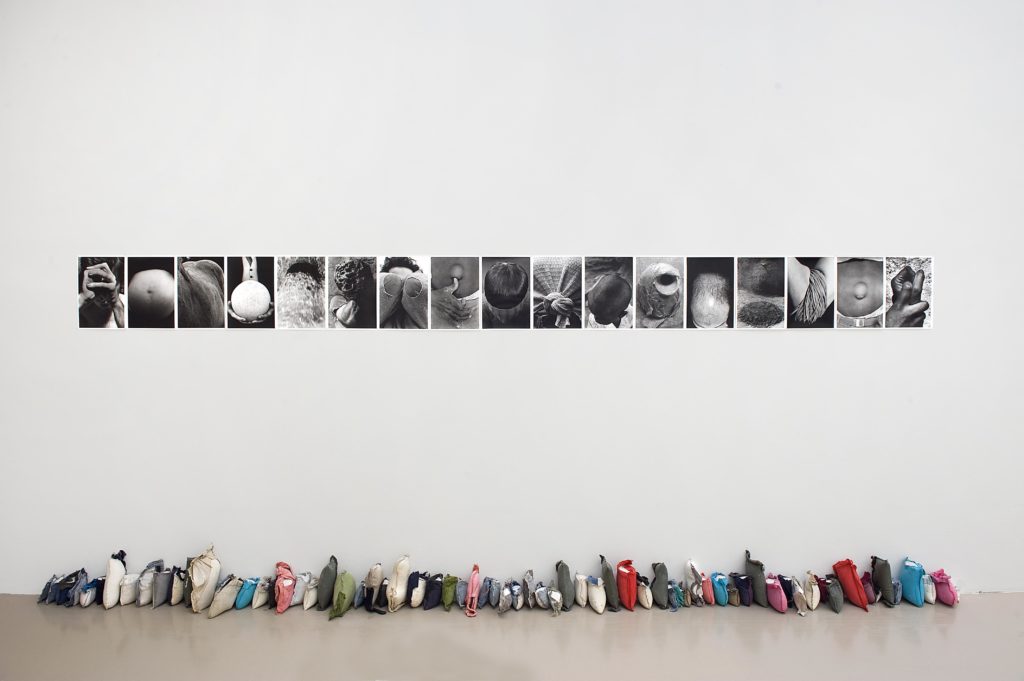
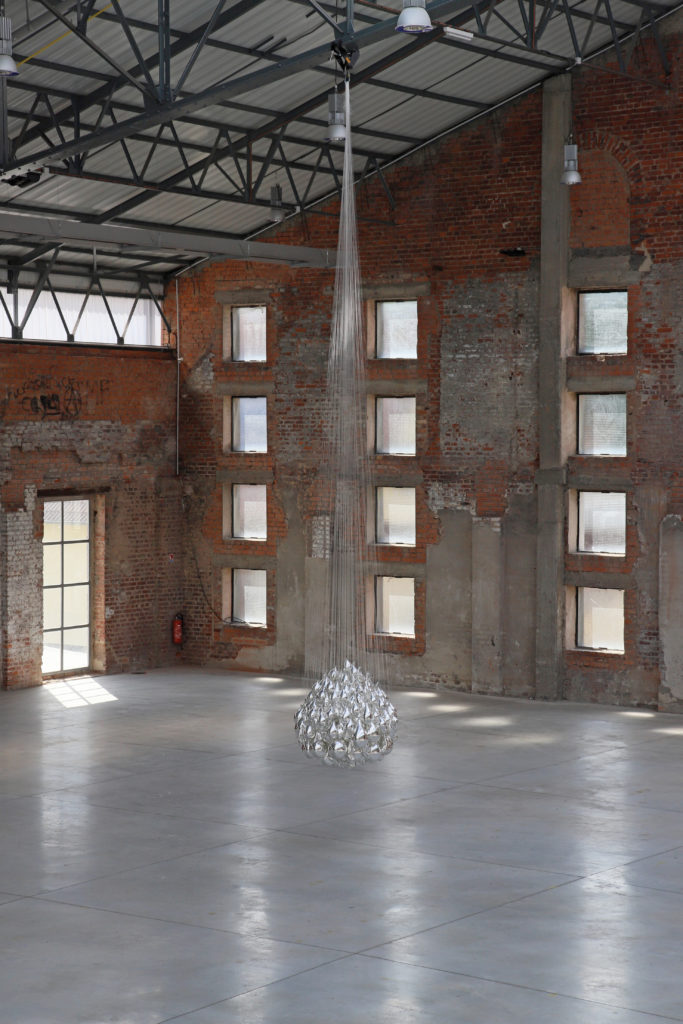
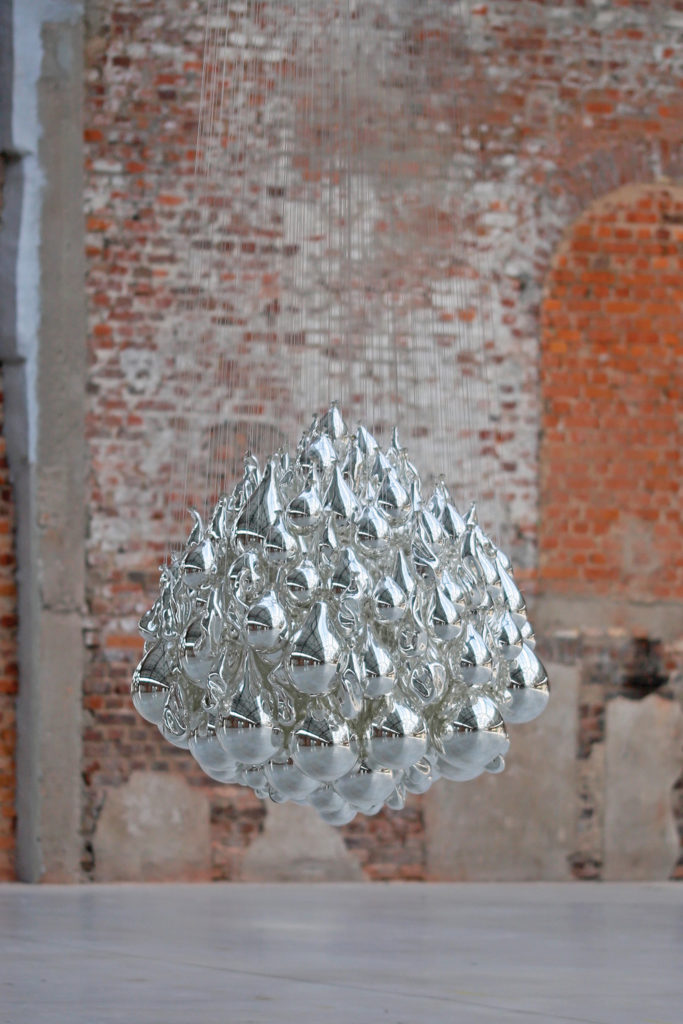
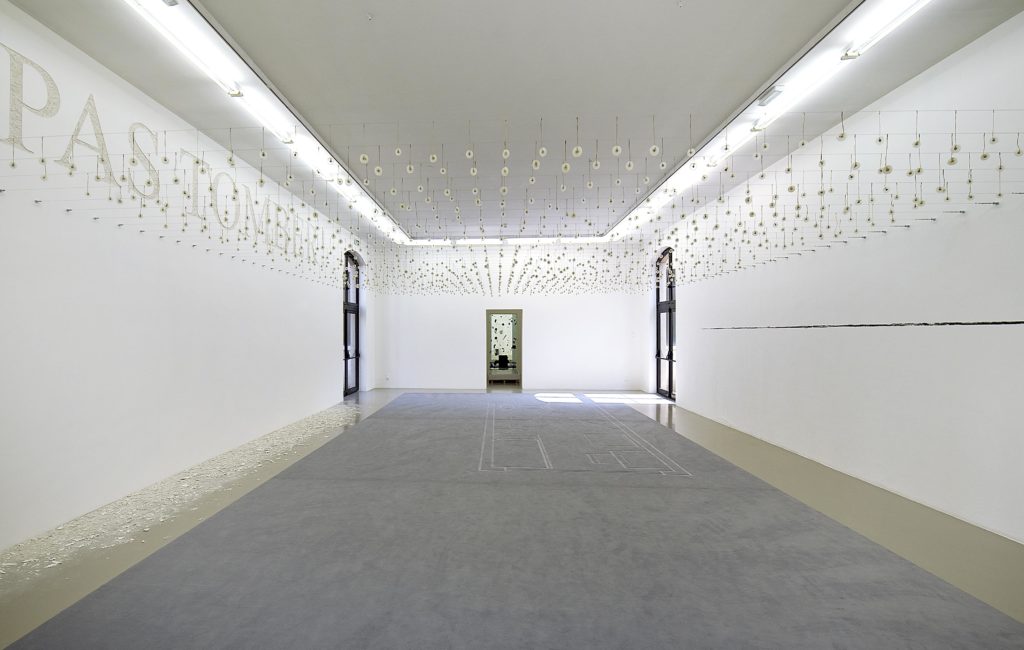
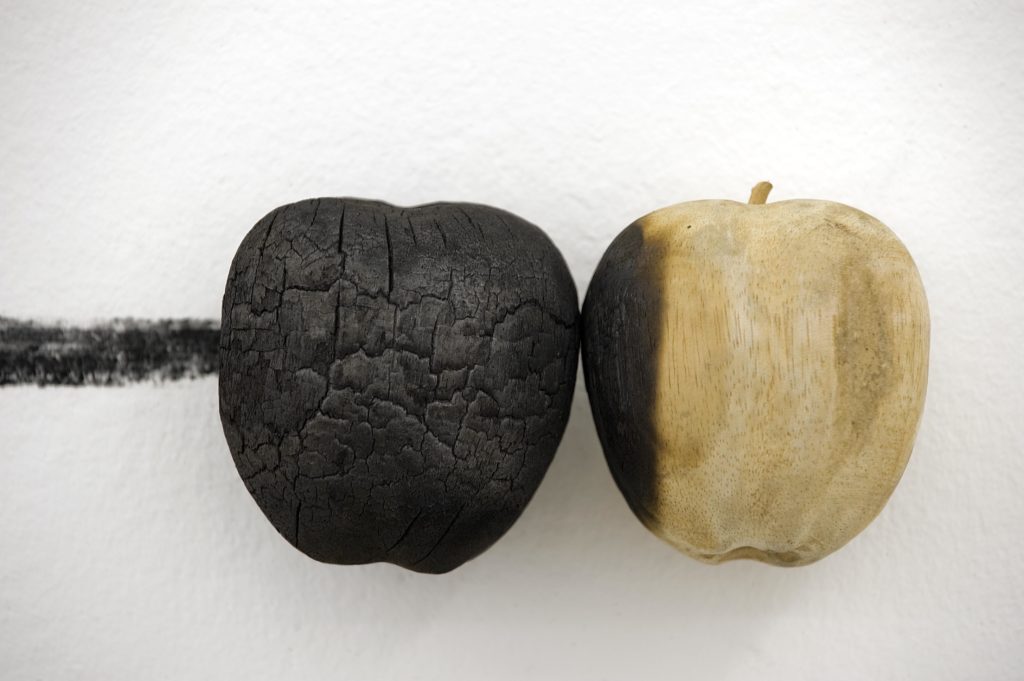
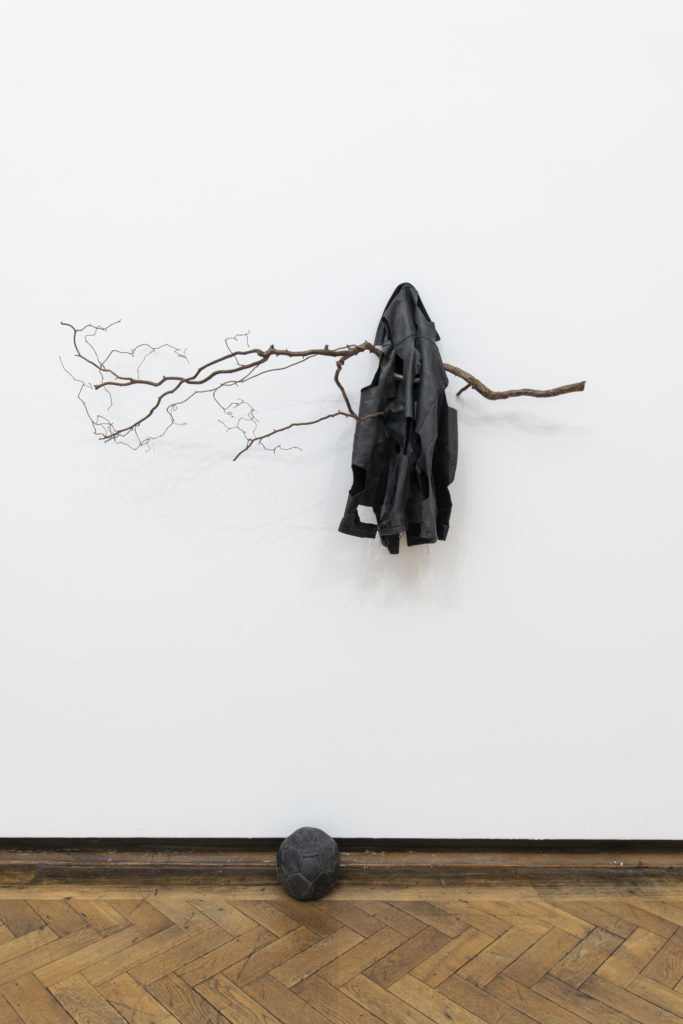
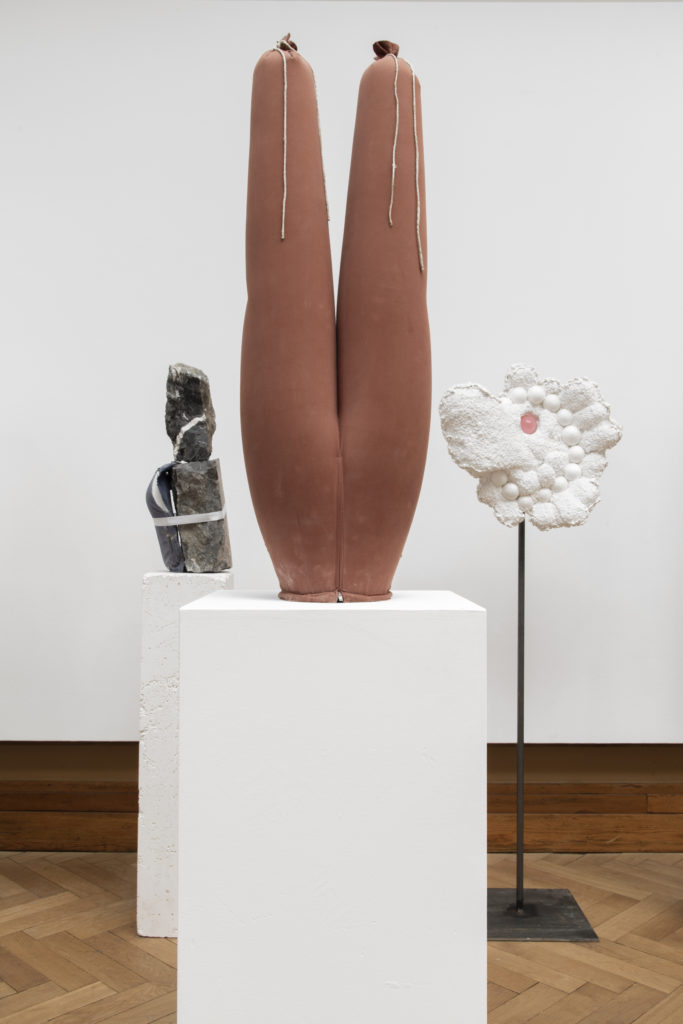
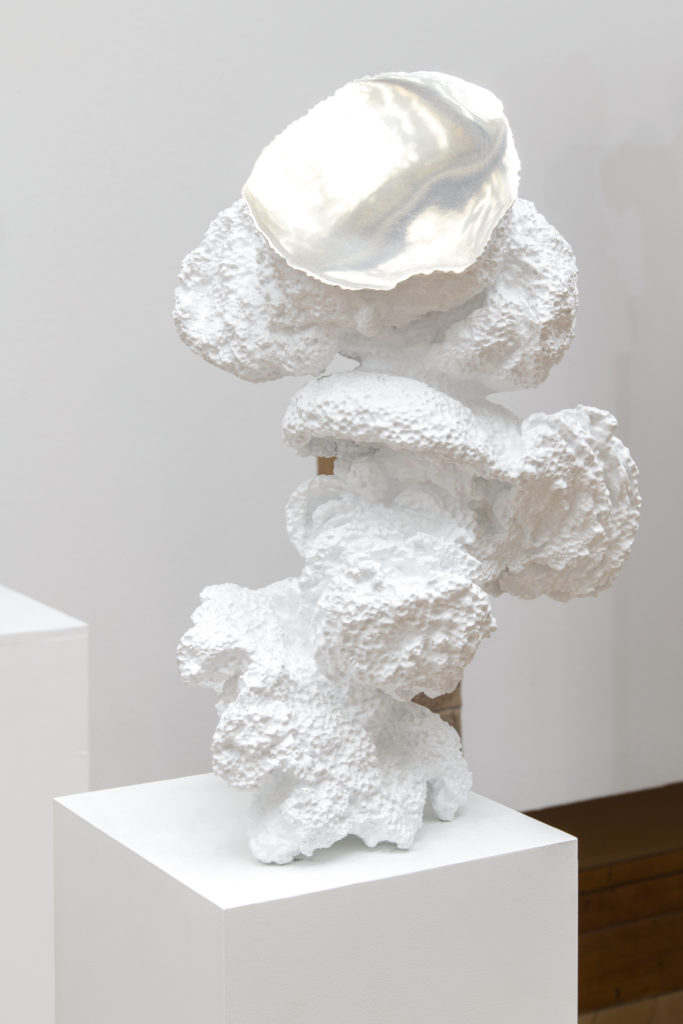
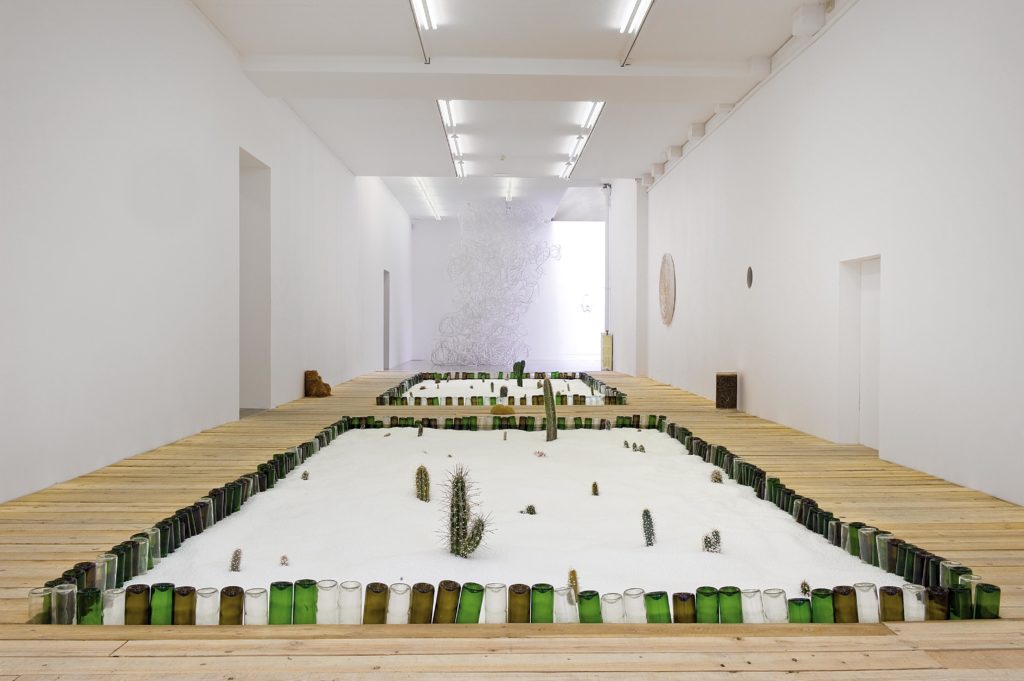
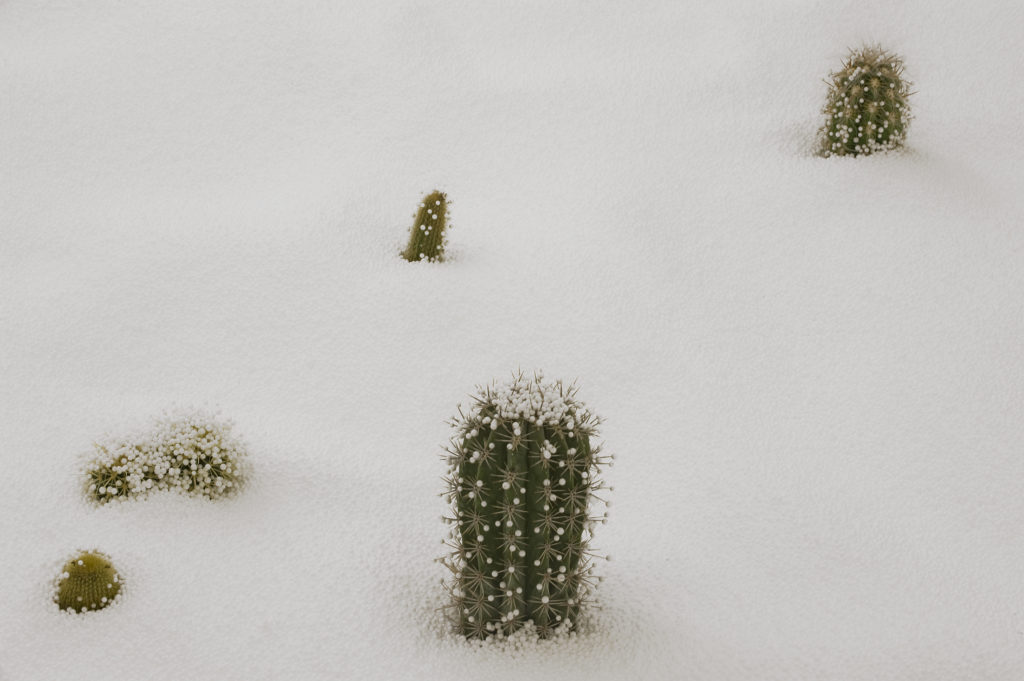
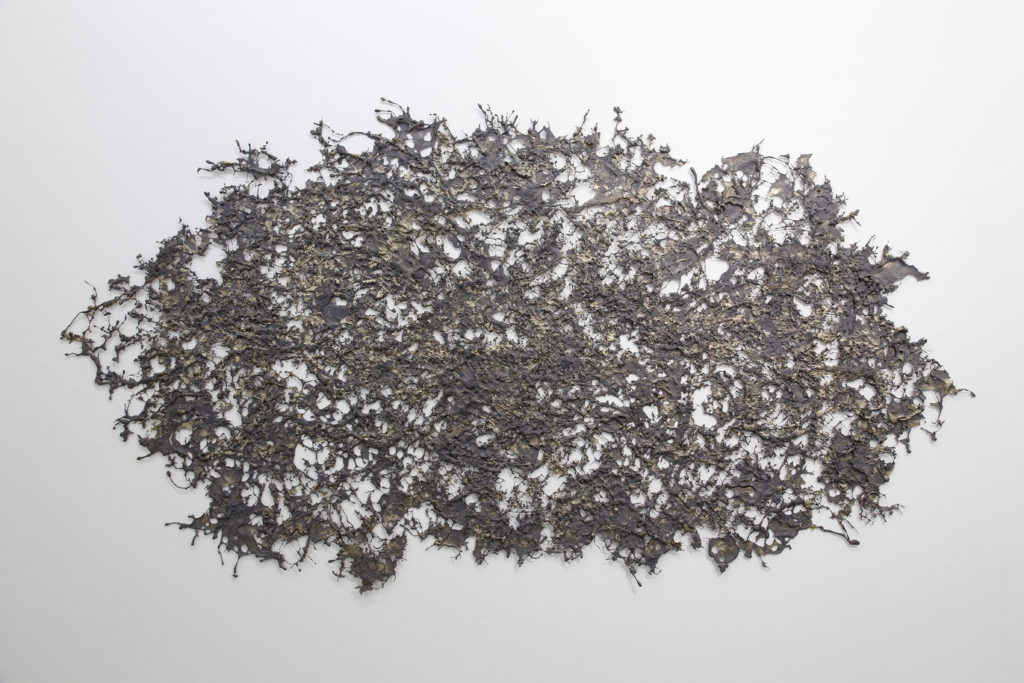
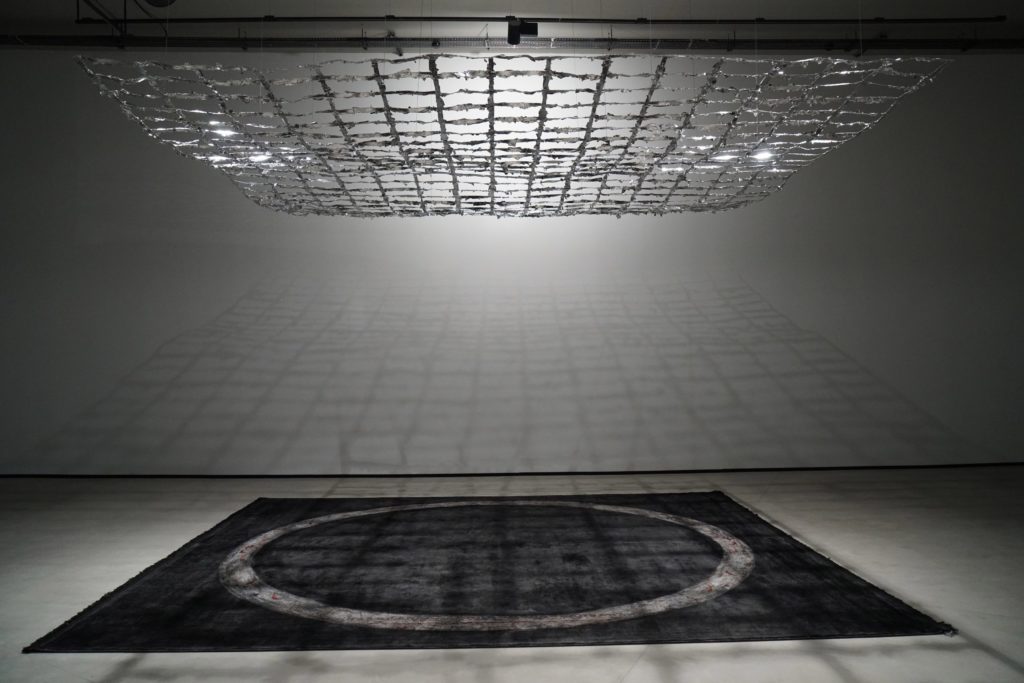
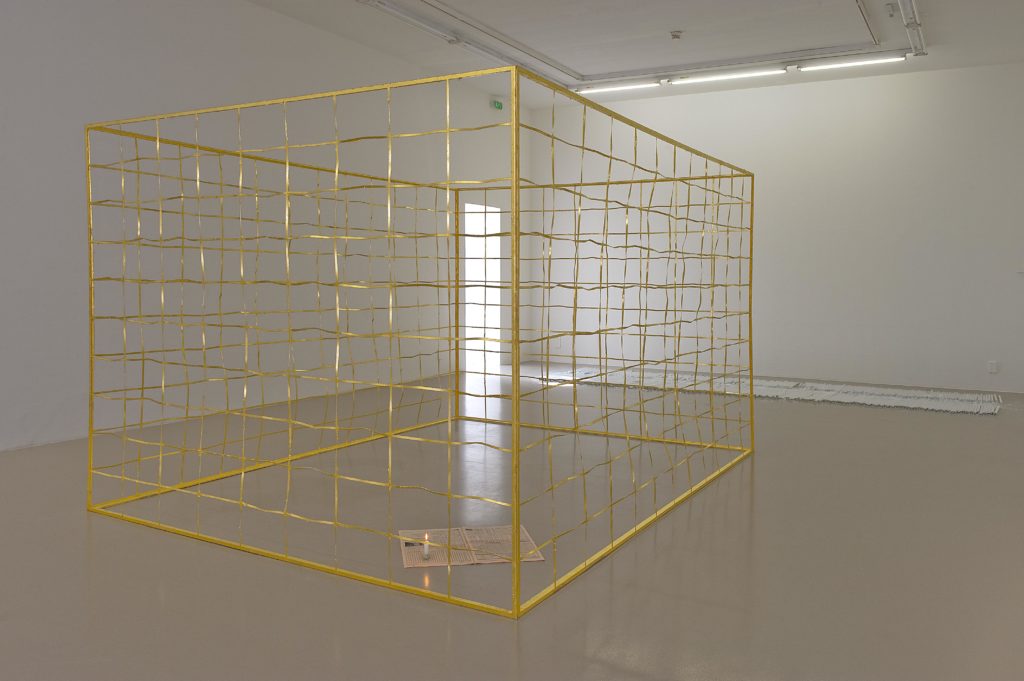
Vue de l’exposition / Exhibition view Contre Nature, 2023, Bozar, Bruxelles/BE. Photo : Isabelle ArthuisLe monde et les bras, 1992. Photographies, poches de pantalons remplies de plâtre / Photographs, trouser pockets filled with plaster. Vue de l’exposition / Exhibition view Plans d’évasion, 2010, IAC, Villeurbanne/FR. Photo : Blaise AdilonVue de l’exposition / Exhibition view Panoptique, 2021, Centre International d’Art Verrier, Meisenthal/FR. Photo : Guy RebmeisterVue de l’exposition / Exhibition view Panoptique, 2021, Centre International d’Art Verrier, Meisenthal/FR. Photo : Guy RebmeisterVue de l’exposition / Exhibition view Plans d’évasion, 2010, IAC, Villeurbanne/FR. Photo : Blaise AdilonContamination (Pommes), 2006, Bois, bois brûlé / Wood, burned wood. Vue de l’exposition / Exhibition view Plans d’évasion, 2010, IAC, Villeurbanne/FR. Photo : Blaise AdilonFrom one another, 2020, cuir, bois caoutchouc / leather, wood and rubber. Vue de l’exposition / Exhibition view Contre Nature, 2023, Bozar, Bruxelles/BE. Photo : Isabelle ArthuisTrousers, 1991, plâtre, tissu, cordes / Plaster, fabric, ropes. 107 x 37 x 25 cm. Vue de l’exposition / Exhibition view Contre Nature, 2023, Bozar, Bruxelles/BE. Photo : Mina AlbespyHétérotopie (maquette), 2020-2023. Vue de l’exposition / Exhibition view Contre Nature, 2023, Bozar, Bruxelles/BE. Photo : Isabelle ArthuisHétérotopie (maquette), 2020-2023. Vue de l’exposition / Exhibition view Contre Nature, 2023, Bozar, Bruxelles/BE. Photo : Isabelle ArthuisSculpture à l’aveugle, 2022, Aluminium / Aluminium. Vue de l’exposition / Exhibition view Contre Nature, 2023, Bozar, Bruxelles/BE. Photo : Isabelle ArthuisSelfportrait, 2025 Plâtre, polystyrène, verre, acier / Plaster, polystyrene, glass, steel, 53 × 57 × 20 cm Vue de l’exposition / Exhibition view Contre Nature, 2023, Bozar, Bruxelles/BE. Photo : Isabelle ArthuisVue de l’exposition / Exhibition view Contre Nature, 2023, Bozar, Bruxelles/BE. Photo : Isabelle ArthuisEnroulement, 2010, Plâtre et néoprène / plaster and neoprene.Psycho jardin (détail/detail), 2009, Installation avec cactus, polystyrène, bois et bouteilles / Installation with cactuses, polystyrene wood and bottles. Vue de l’exposition / Exhibition view Plans d’évasion, 2010, IAC, Villeurbanne/FR. Photo : Blaise AdilonMéditerranée, 2016, Aluminium, photo imprimée sur une plaque d’aluminium /Cast aluminium, photograph printed on aluminium board, 126 x 180 x 90 cm . Photo : Mina AlbespyInstant Gratification, 2011, Bronze. Photo : Stuart WhippsVue de l’exposition / Exhibition view Pieces of evidence, 2014, Ikon Gallery, Birmingham/UK. Photo : Stuart WhippsNeons brisés (détail/detail), 2003-2014, Neons. Photo : Mina AlbespyVue de l’exposition / Exhibition view Pieces of evidence, 2014, Ikon Gallery, Birmingham/UK. Photo : Stuart WhippsVue de l’exposition / Exhibition view Pieces of evidence, 2014, Ikon Gallery, Birmingham/UK. Photo : Stuart WhippsCouple parfait, 2019, bouteilles, bougies / bottles, candles.Duo sculpture photo, 2023, Pull-over, 1992Vue de l’exposition / Exhibition view Panopticon, 2022, Yarat Contemporary Art Centre, AzerbaijanGolden cage, 2008, acier, feuilles d’or / steel, gold leafs, 250 x 400 x 300 cm. Vue de l’exposition / Exhibition view Plans d’évasion, 2010, IAC, Villeurbanne/FR. Photo : Blaise Adilon
Michel François (born in 1956), lives and works in Brussels, Belgium.
Fascinated by the gestures of everyday life and the tensions that they reveal, François has distinguished himself, since the 1980s, through a unique practice in which disorder and ambiguity reign. In parallel to his photographs being published as posters, and then in books format, the artist developped a specificapproach to sculpture and installation, where his works and images are often grouped, accumulated, and re-contextualized.
He has exhibited throughout Europe and abroad, including, most recently, major shows at the Galleria d’Arte Moderna, in Bologna, Italy, the Westfälischen Kunstverein in Munster, and the Ursula-Blickle-Stiftung Foundation, Kraichtal, Germany. Additionally, his work has been extensively shown, notably in le Mois de la Photo à Montréal 2001, at the Fondation Miró in Barcelona (2001), as part of Printemps de Cahors (2000), at the Kunsthalle in Bern (2000), at the 48th Venice Biennale (1999), where he represented Belgium, in the International Biennale of Istanbul (1997), and at Witte de With, Center for Contemporary Art of Rotterdam (1997).
His work can be found in many private and public European collections.
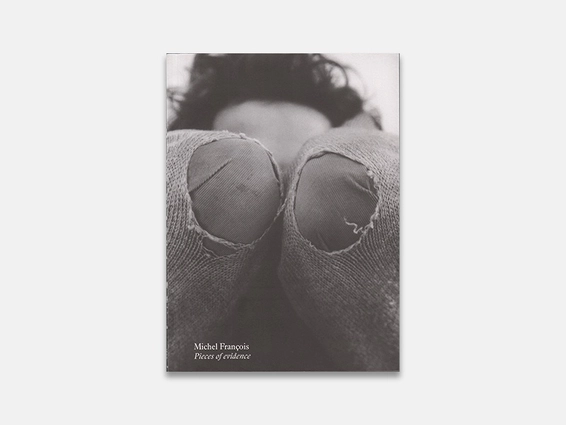
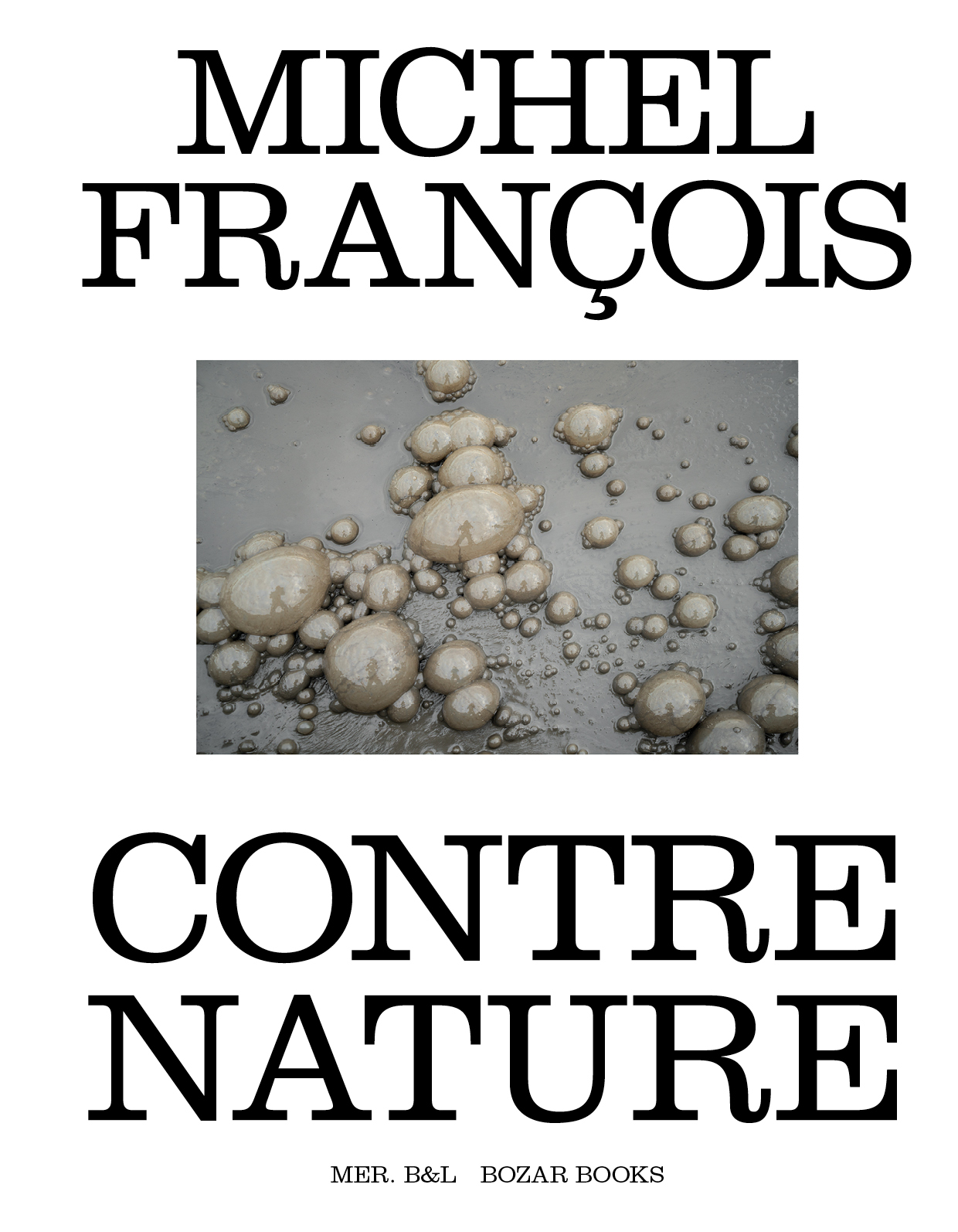
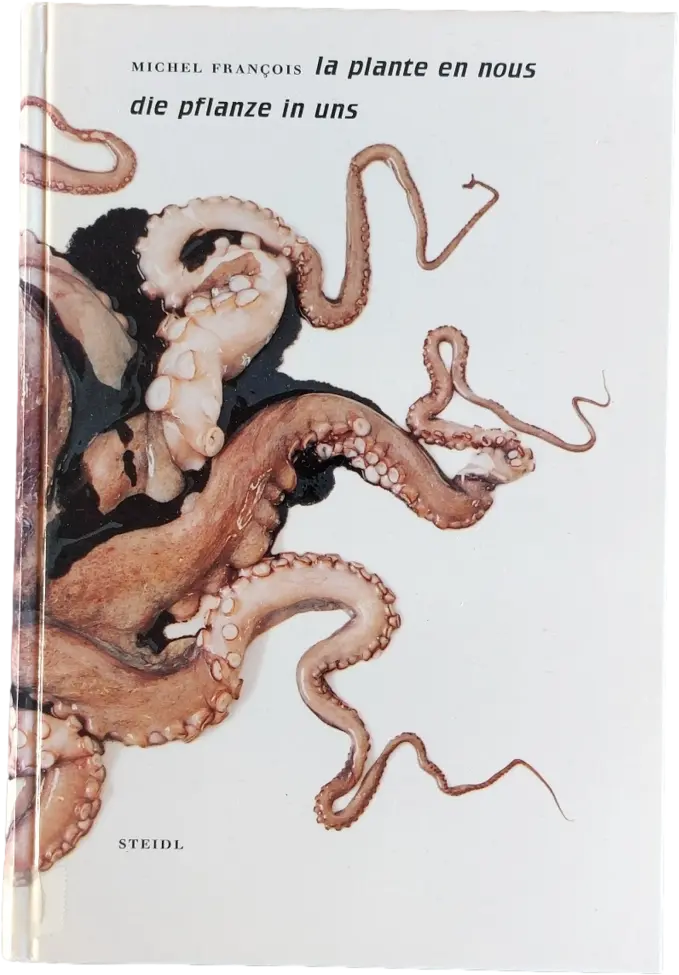
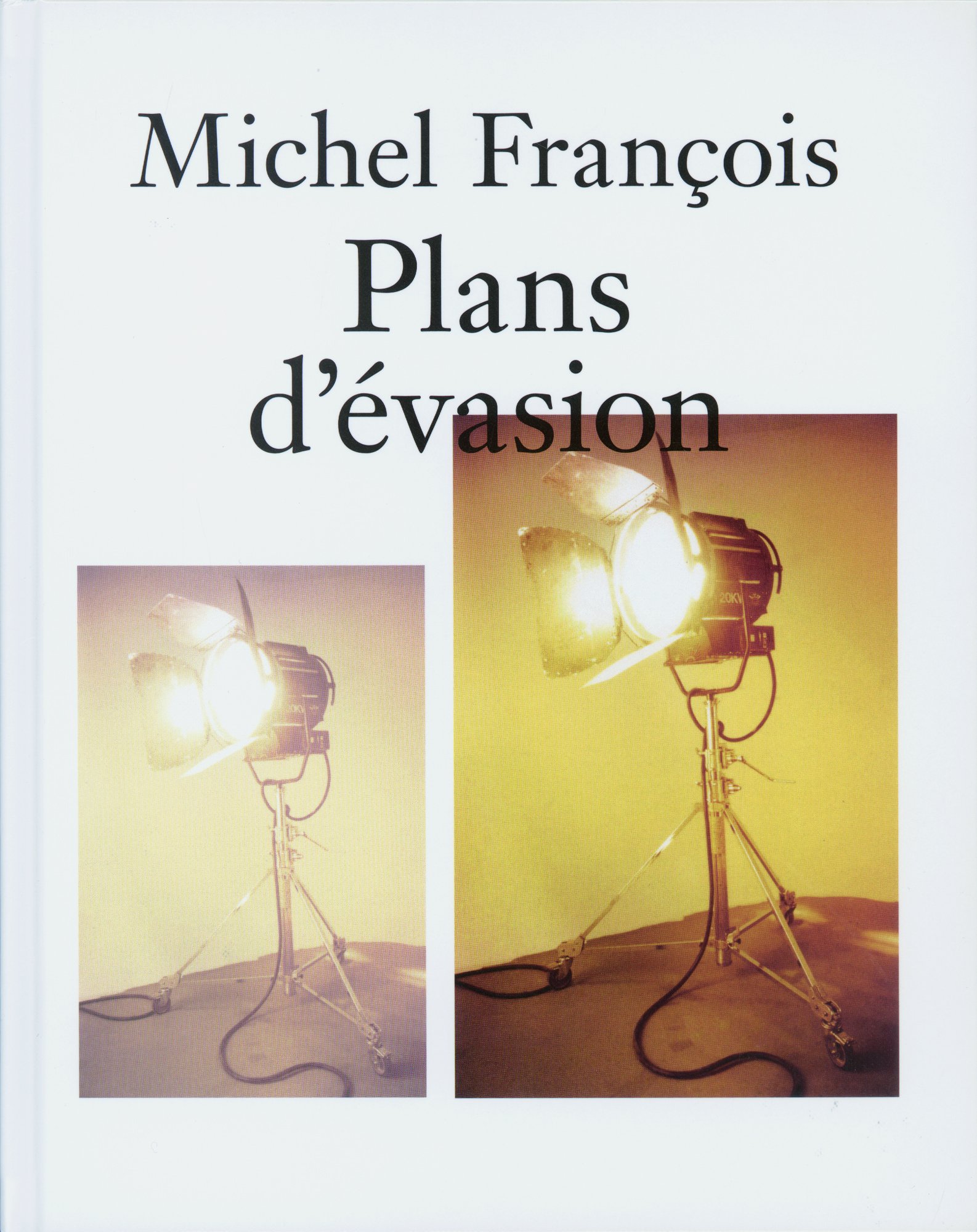
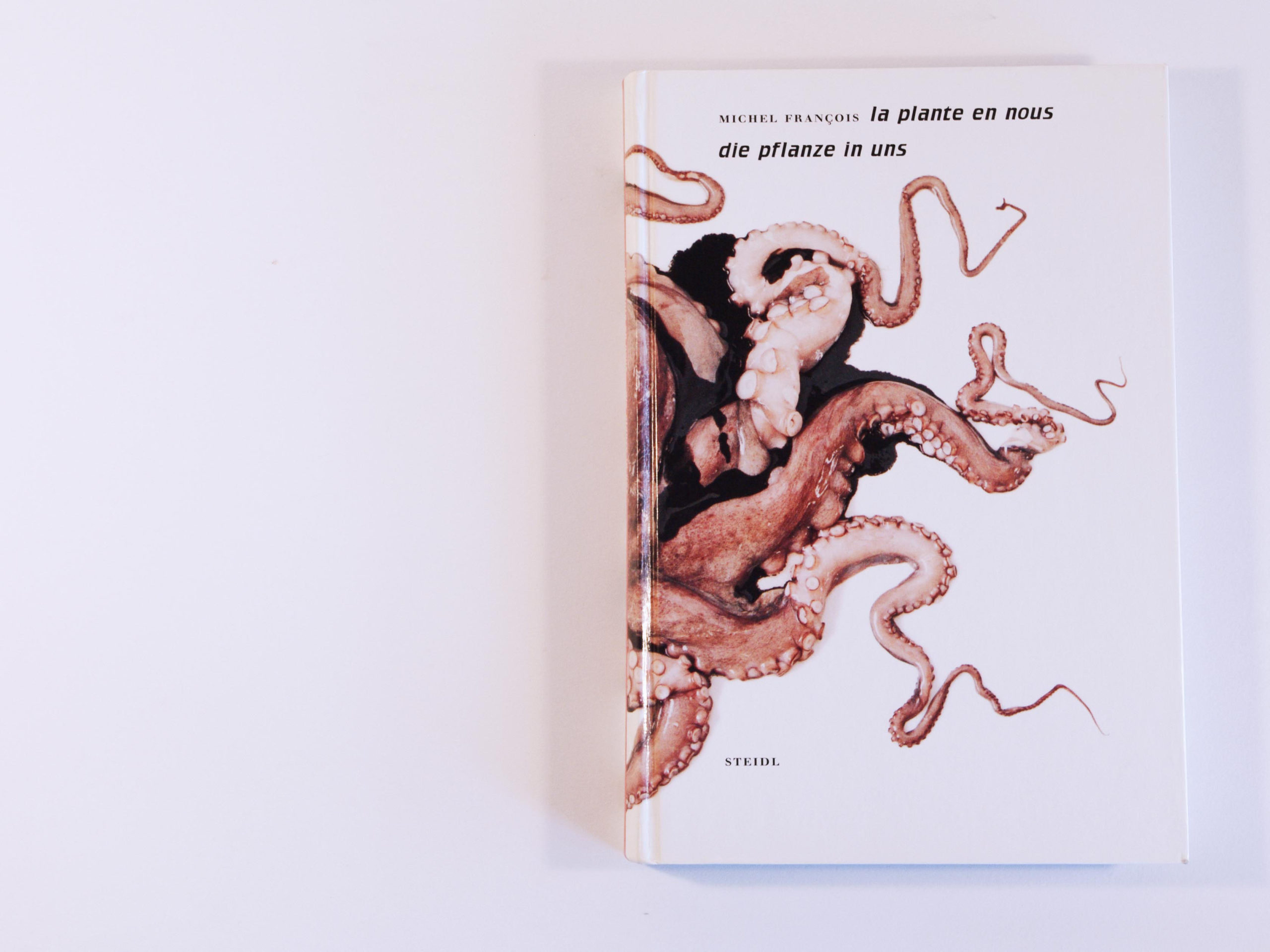
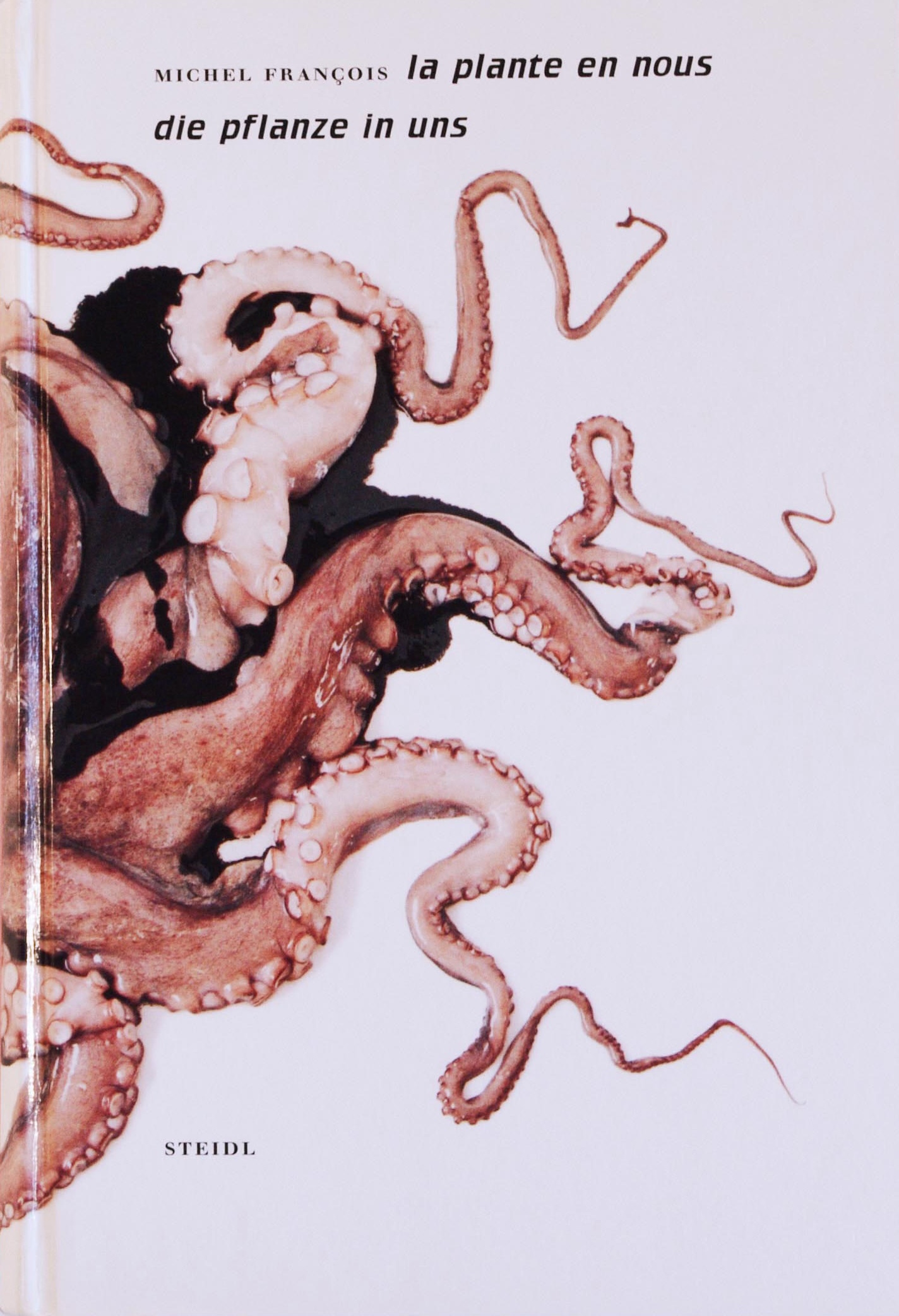
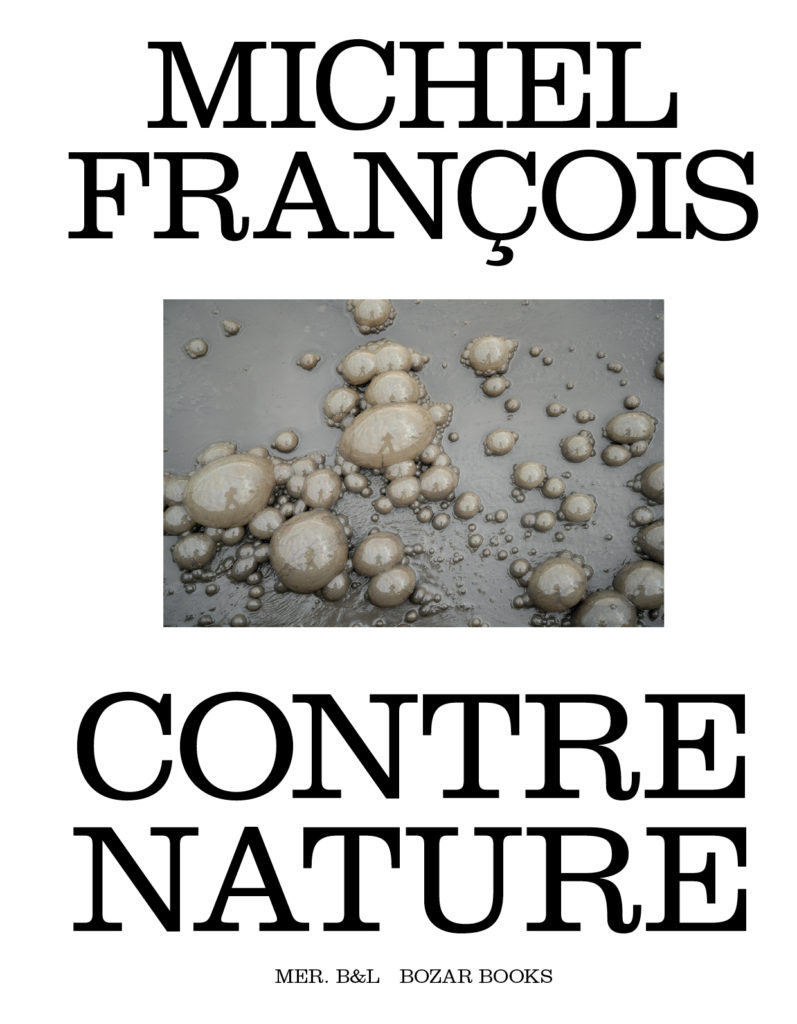
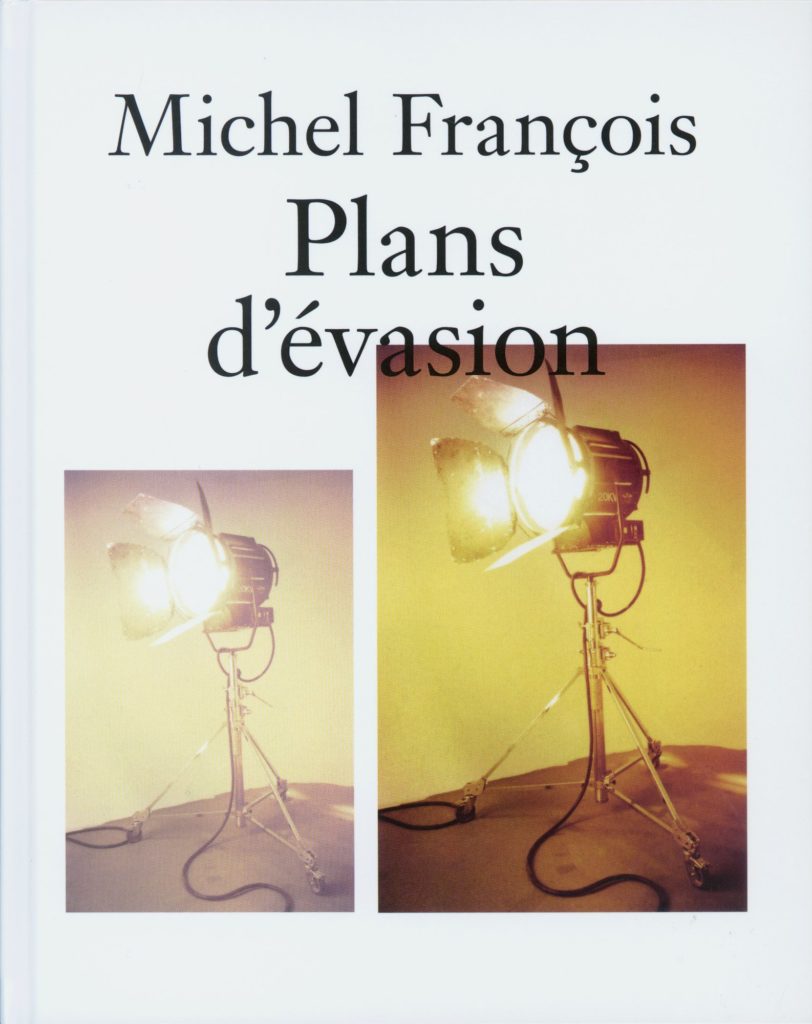
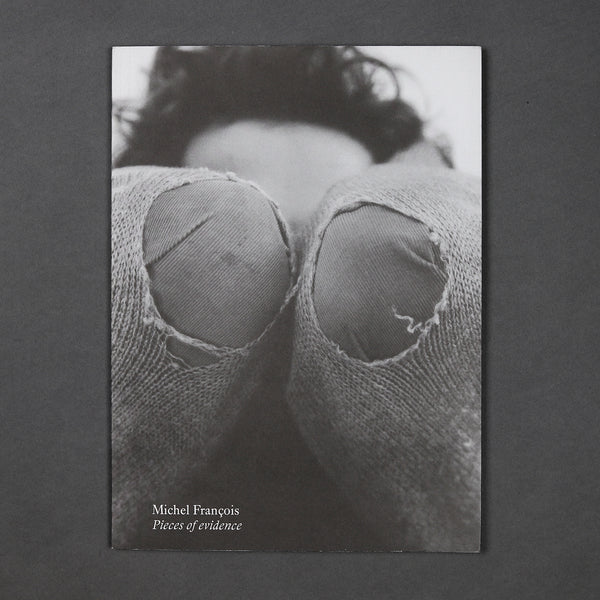
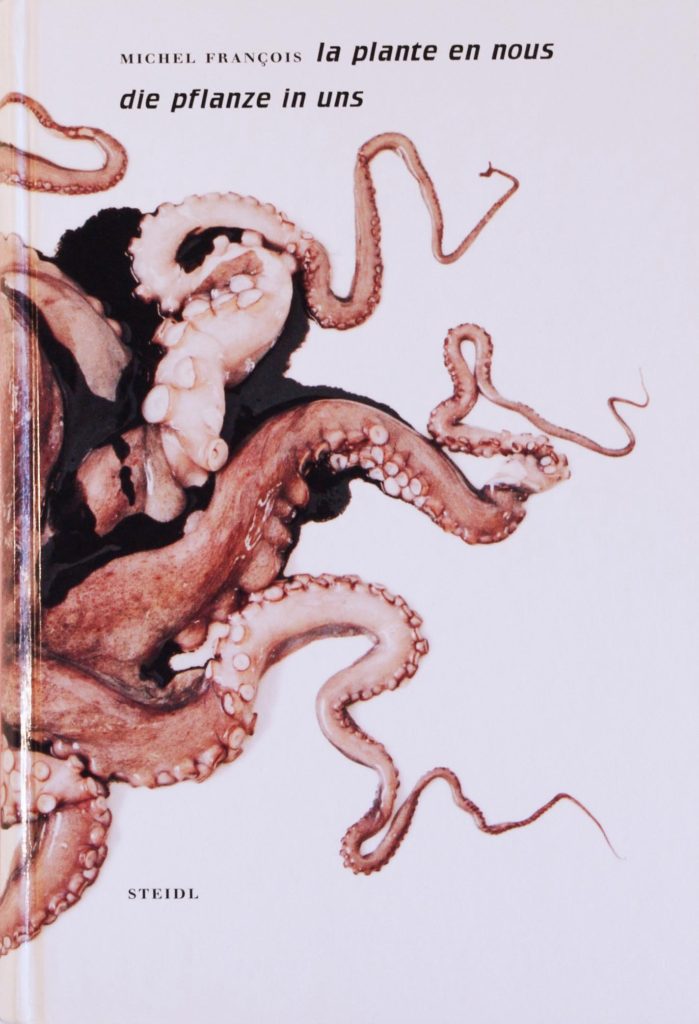
Michel François : contre nature. Textes de François Piron, Eugène Savitzkaya, Ory Dessau, Christophe Slagmuylder, Michel François et Sylvain Courbois. Édition anglaise. [S.l.] : Bozar Books, 2023. 240 p. : ill. ; 27 cm. ISBN 978-9-07220-179-9.Michel François : Plans d’évasion. Textes de Guillaume Désanges. Préf. de Nathalie Ergino et Philippe Van Cauteren. Amsterdam : Roma Publications ; Gand : SMAK, Stedelijk Museum voor Actuele Kunst, 2010. 358 p. : ill. ; 27 cm. (Roma publications, n° 135). ISBN 978-90-77459-41-6. Textes en anglais et en français.Ann Veronica Janssens / Michel François. Textes de Guillaume Désanges. Édition anglaise. [S.l.] : [s.n.], 2022. 336 p. : ill. ; 29,5 cm. ISBN 978-1-7345275-9-9.Michel François : Pieces of Evidence. Texte de Herbert Martin. Birmingham : Ikon Gallery Ltd, 2014. ISBN 978-1-904864-92-9Michel François. La plante en nous. Göttingen : Steidl, 2001. ISBN 978-3-882437-65-2.
Starting May 22, the Vincent van Gogh Foundation Arles presents SUSPECTS – Van Gogh, Tricksters & Co., an exhibition dedicated to artists who, following in Van Gogh’s footsteps, chose dissent over conformity and excess over restraint.
Inspired by the anthropological figure of the “trickster”—a mocking and subversive character found in the myths of all civilizations—the exhibition brings together works by 33 disruptive artists. They enable art to fulfill one of its major functions in our modern society: to challenge convictions, to reexamine what seems taken for granted, to broaden our field of consciousness, and to shatter conventions. Their attitude, as it has persisted from the late 20th century to the present day, is at the heart of this exhibition.
With 33 artists, including Nina Childress and Philippe Perrot.
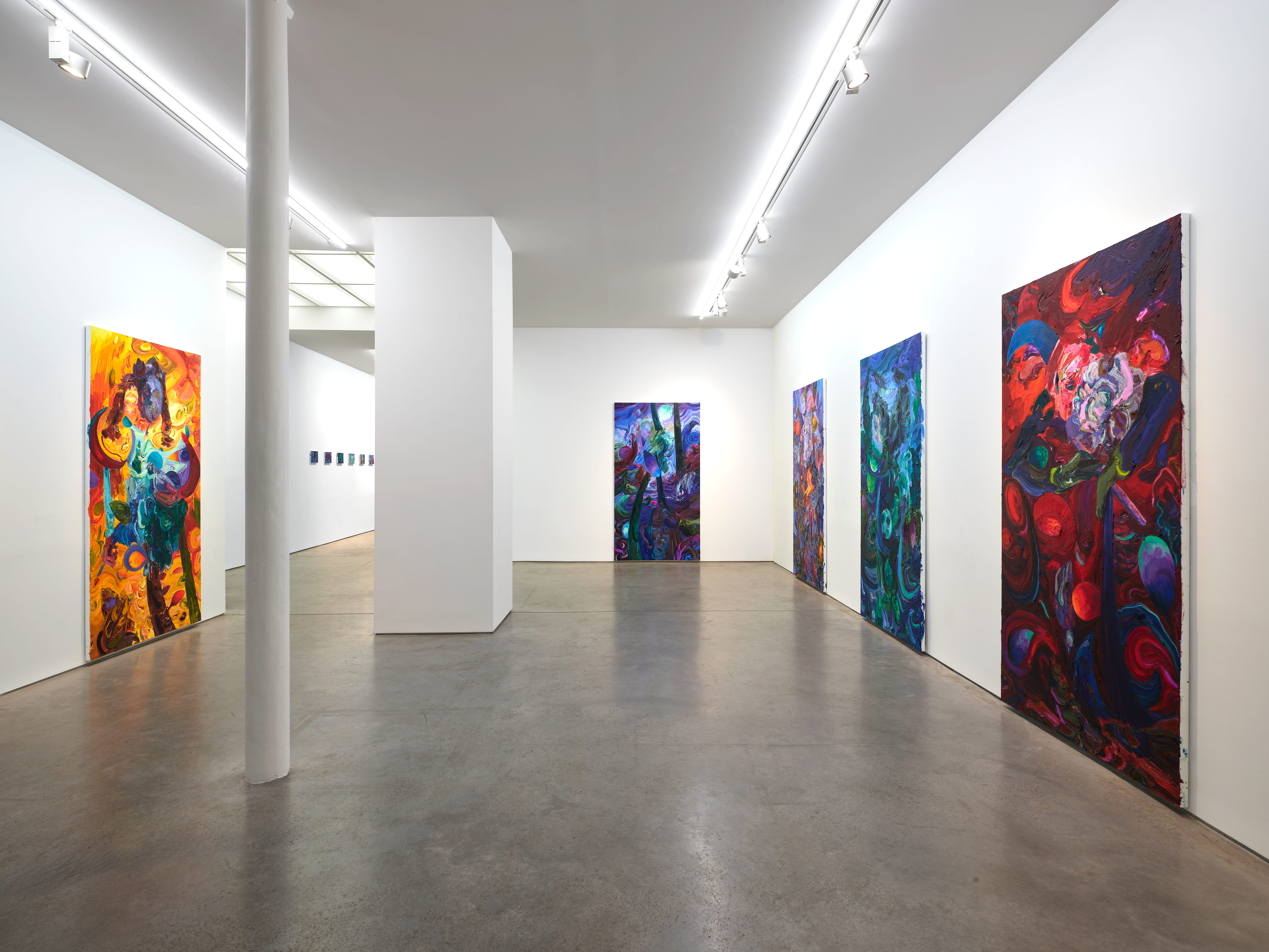
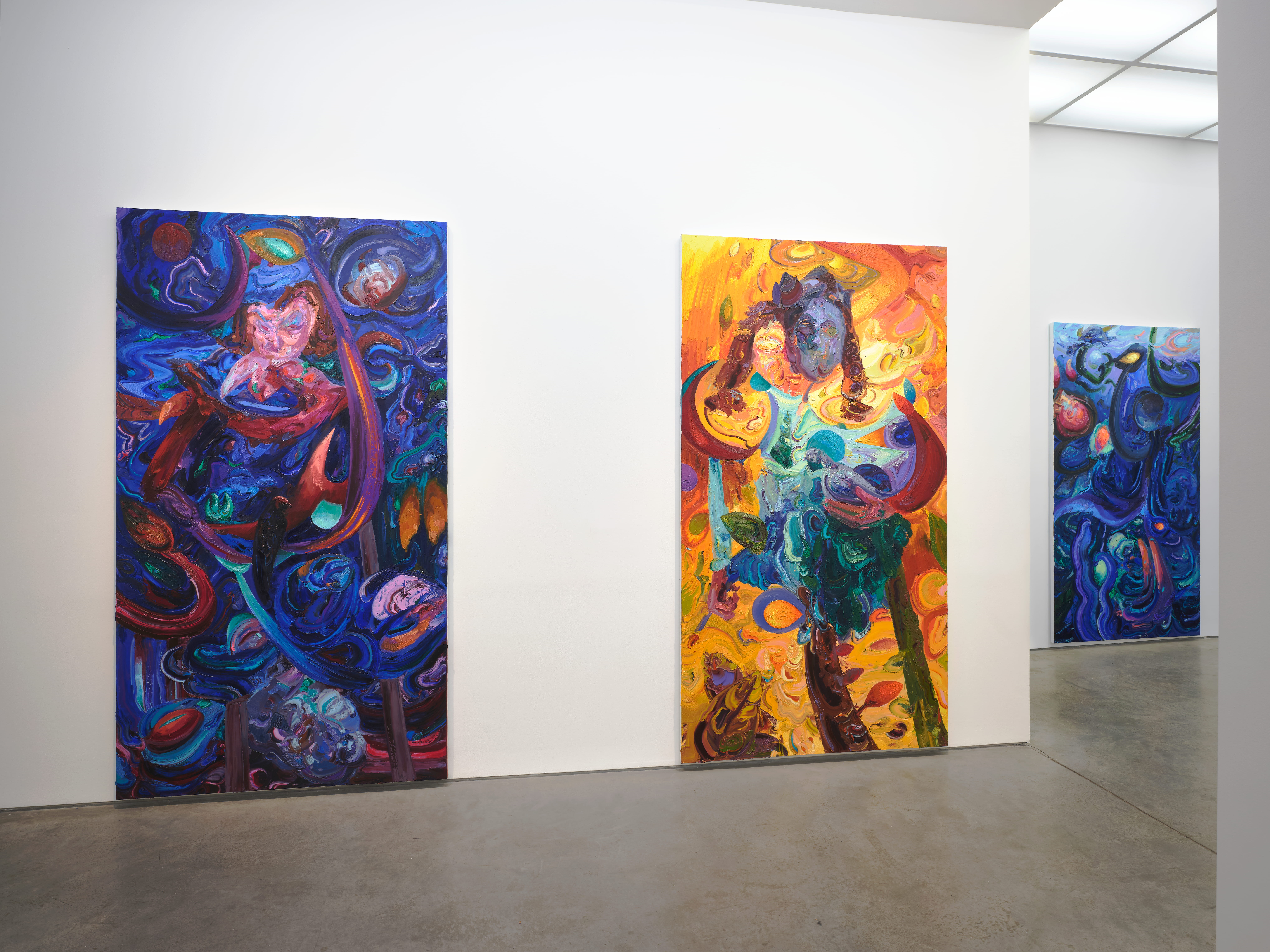
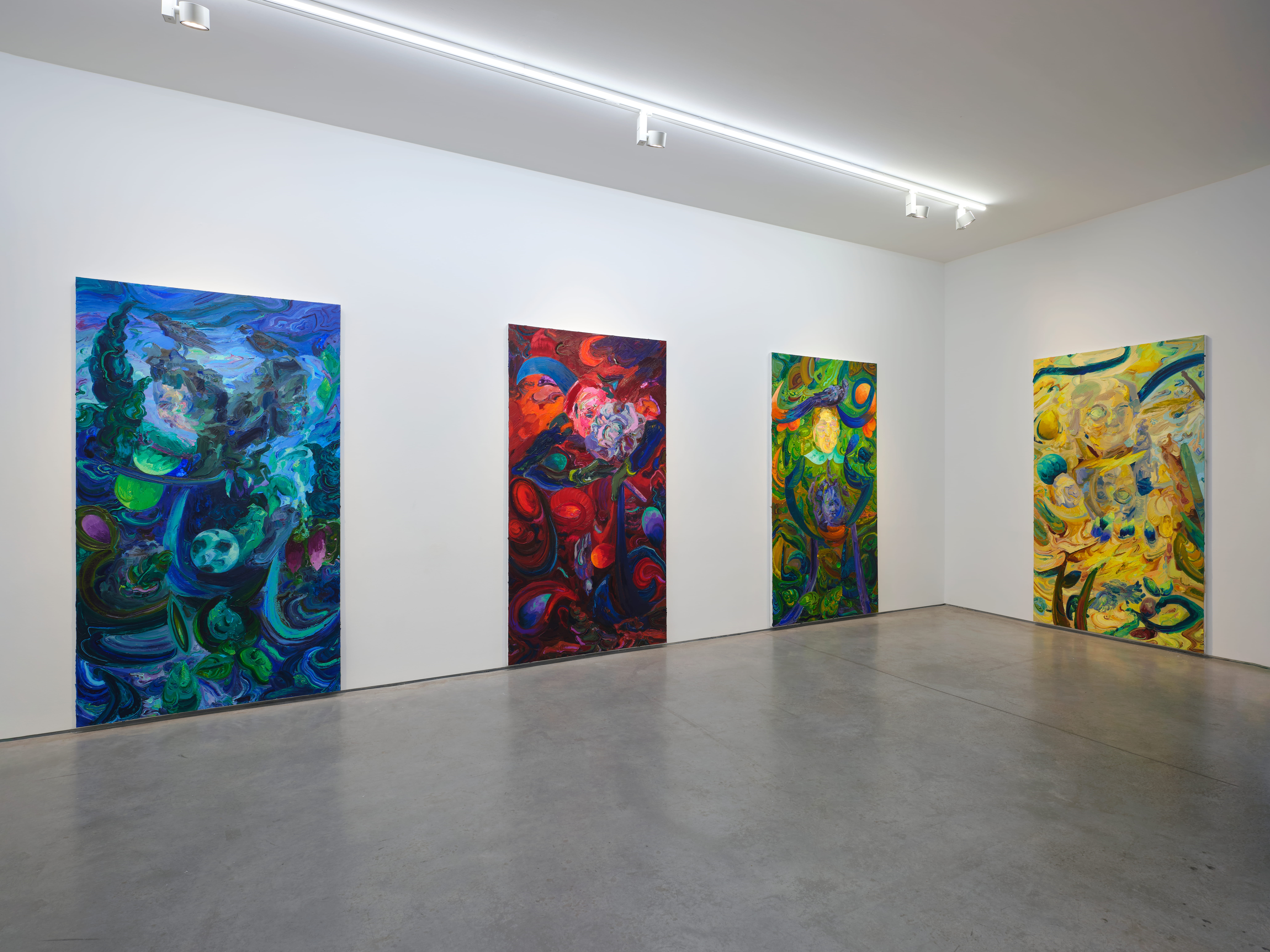
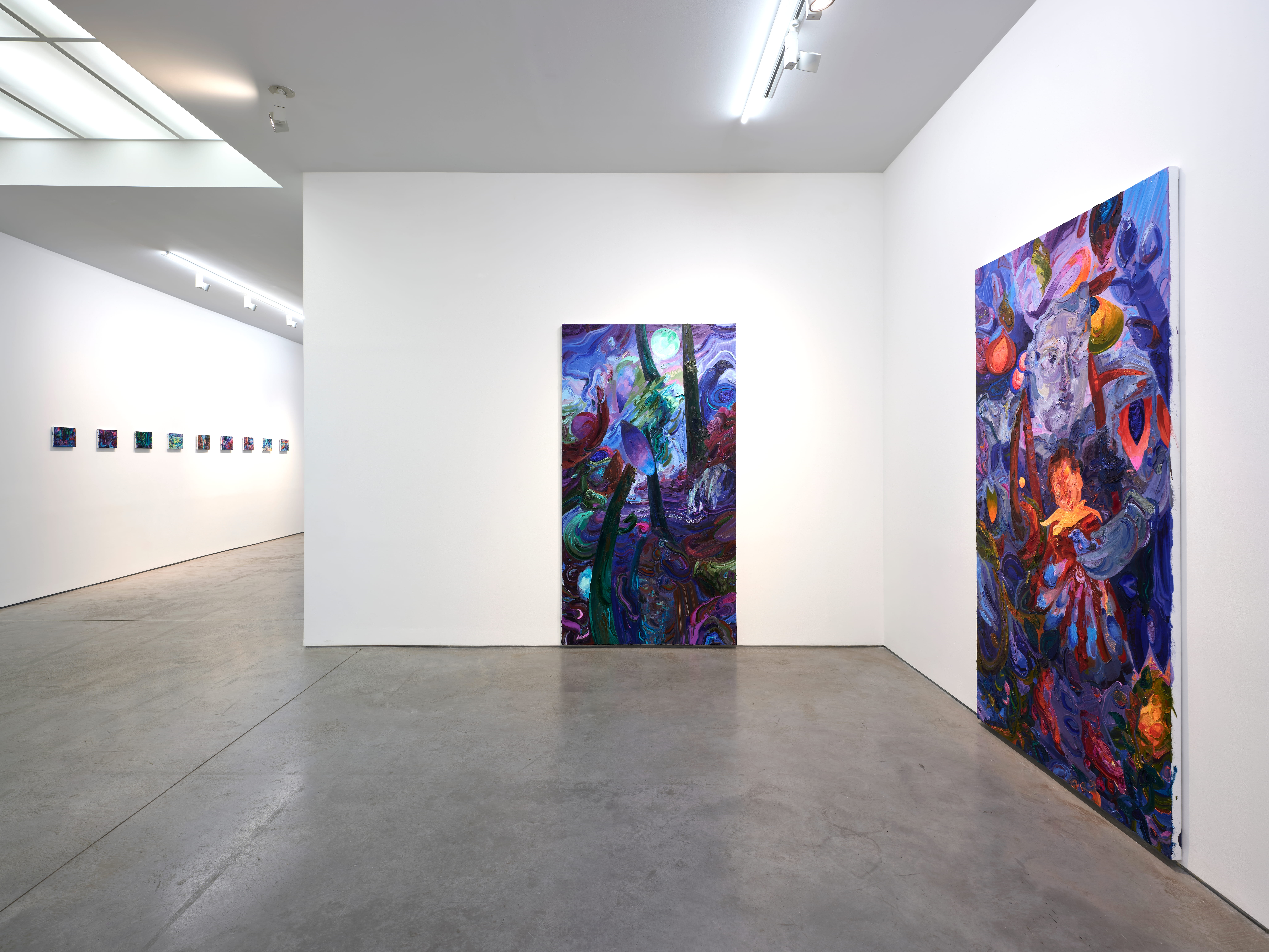
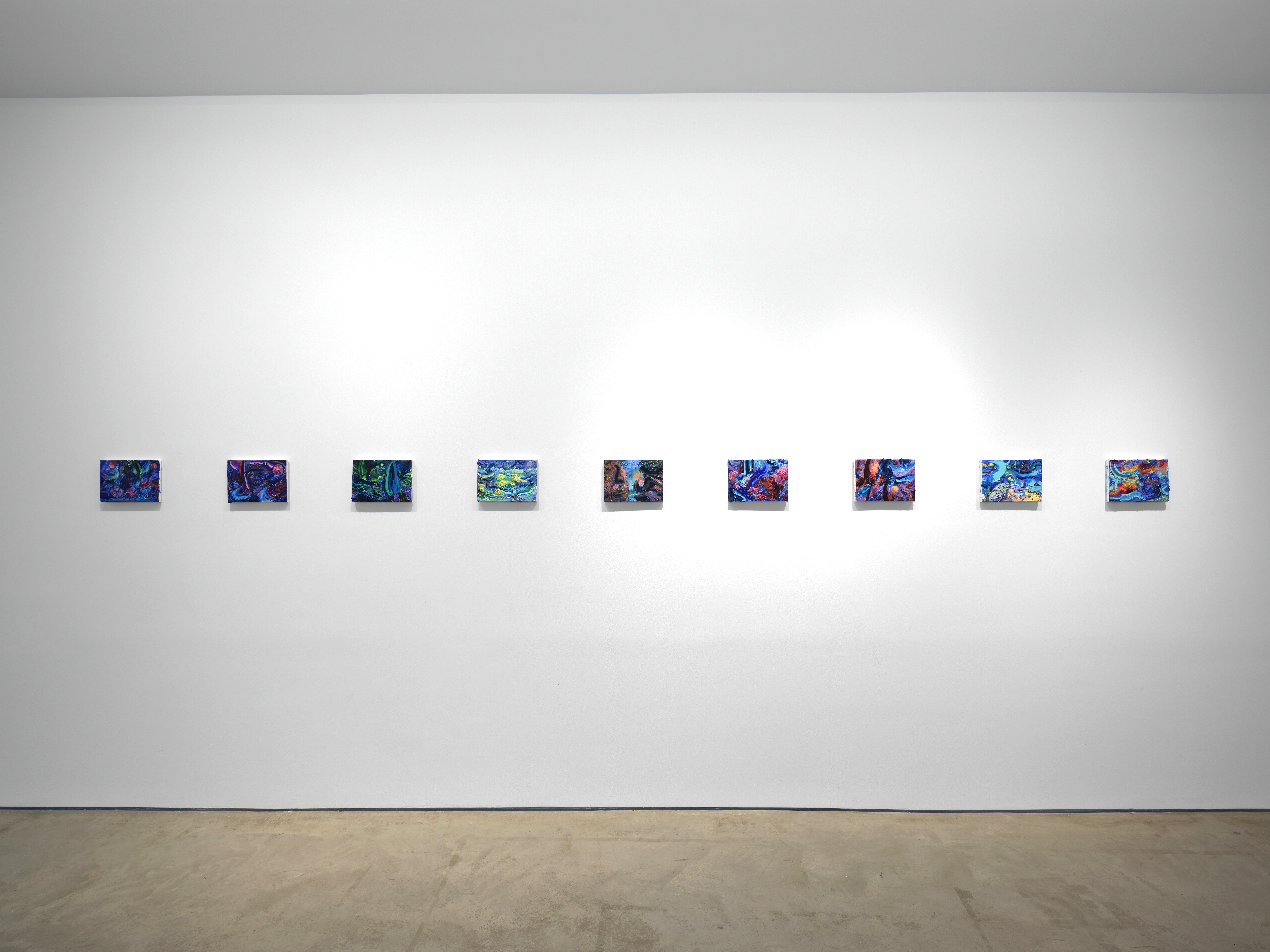
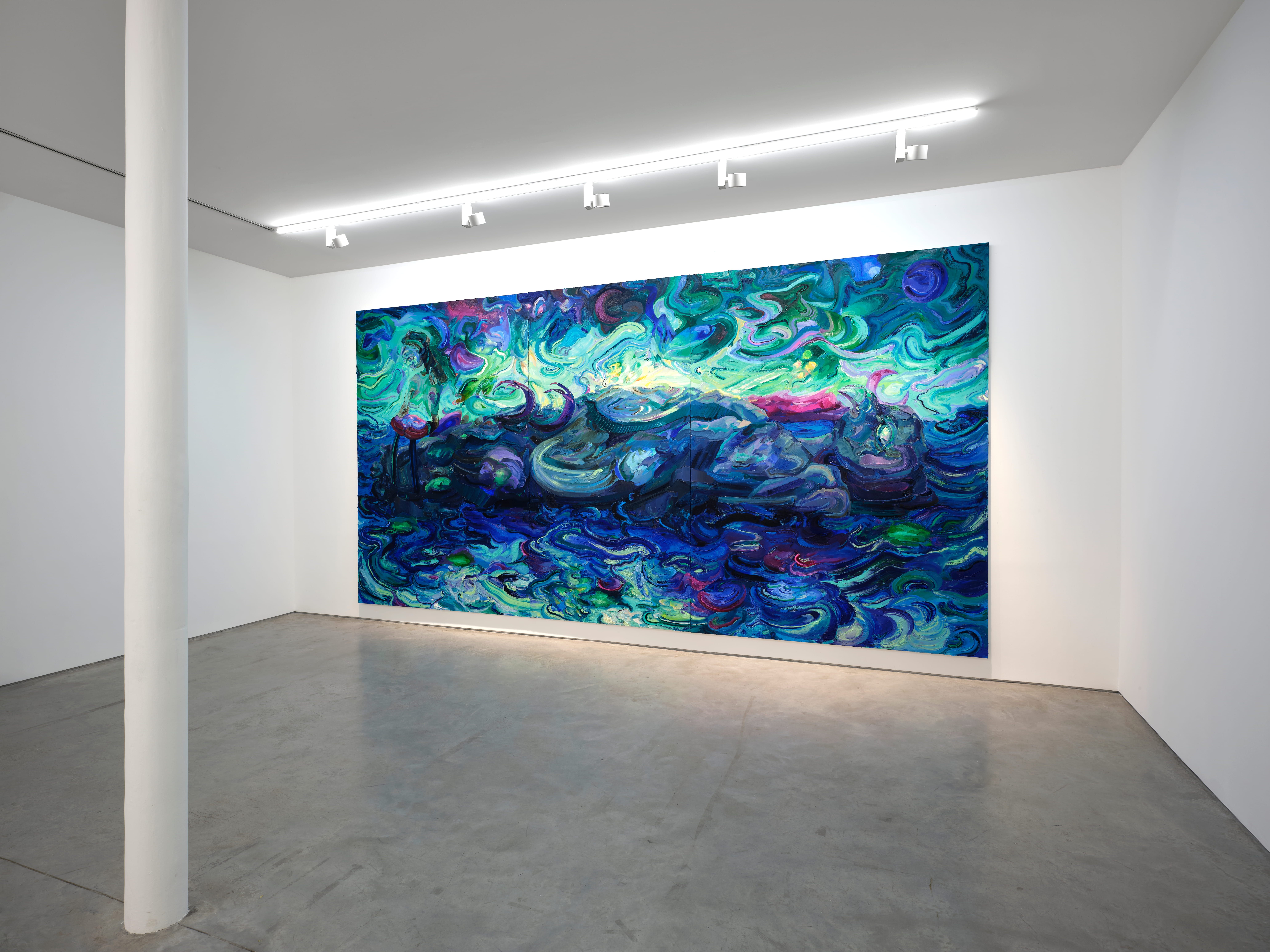
Vue d’exposition / Installation views: Miryam Haddad, Le sel d’un songe, 2026, Art : Concept, Paris/FR. Courtesy the Artist and Art : Concept, Paris. Photo Objets pointusVue d’exposition / Installation views: Miryam Haddad, Le sel d’un songe, 2026, Art : Concept, Paris/FR. Courtesy the Artist and Art : Concept, Paris. Photo Objets pointusVue d’exposition / Installation views: Miryam Haddad, Le sel d’un songe, 2026, Art : Concept, Paris/FR. Courtesy the Artist and Art : Concept, Paris. Photo Objets pointusVue d’exposition / Installation views: Miryam Haddad, Le sel d’un songe, 2026, Art : Concept, Paris/FR. Courtesy the Artist and Art : Concept, Paris. Photo Objets pointusVue d’exposition / Installation views: Miryam Haddad, Le sel d’un songe, 2026, Art : Concept, Paris/FR. Courtesy the Artist and Art : Concept, Paris. Photo Objets pointusVue d’exposition / Installation views: Miryam Haddad, Le sel d’un songe, 2026, Art : Concept, Paris/FR. Courtesy the Artist and Art : Concept, Paris. Photo Objets pointusVue d’exposition / Installation views: Miryam Haddad, Le sel d’un songe, 2026, Art : Concept, Paris/FR. Courtesy the Artist and Art : Concept, Paris. Photo Objets pointusVue d’exposition / Installation views: Miryam Haddad, Le sel d’un songe, 2026, Art : Concept, Paris/FR. Courtesy the Artist and Art : Concept, Paris. Photo Objets pointusVue d’exposition / Installation views: Miryam Haddad, Le sel d’un songe, 2026, Art : Concept, Paris/FR. Courtesy the Artist and Art : Concept, Paris. Photo Objets pointus
In Miryam Haddad’s painting, the multiplicity of sensory interactions unsettles us and offers no promise of comfort. We hallucinate—this almost troubling materiality tested by figures that haunt it, these resemblances altered by gestures that write across the surface without spelling it out. The conflicts of the real world, and those that live within us, rise again on the ground of painting. It pulls us free from the automatisms of memory and emotion, eyes wide open. A war rages against me and within me… Stranger.
Excerpt from the press release by Marie Muracciole