

Photo: Johannes Stoll / Belvedere Vienna

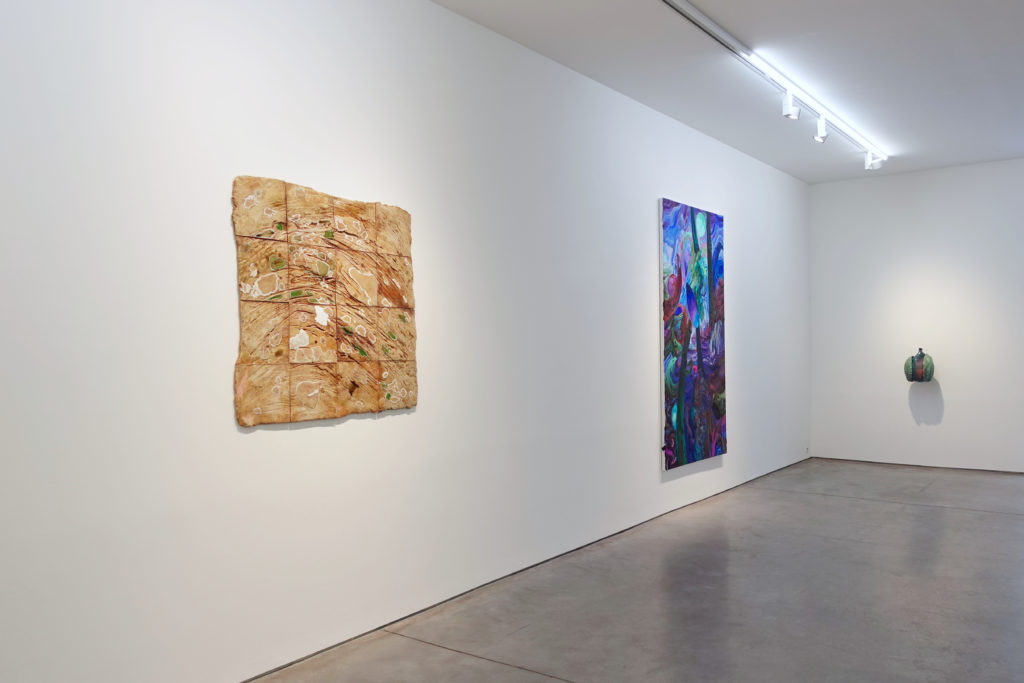
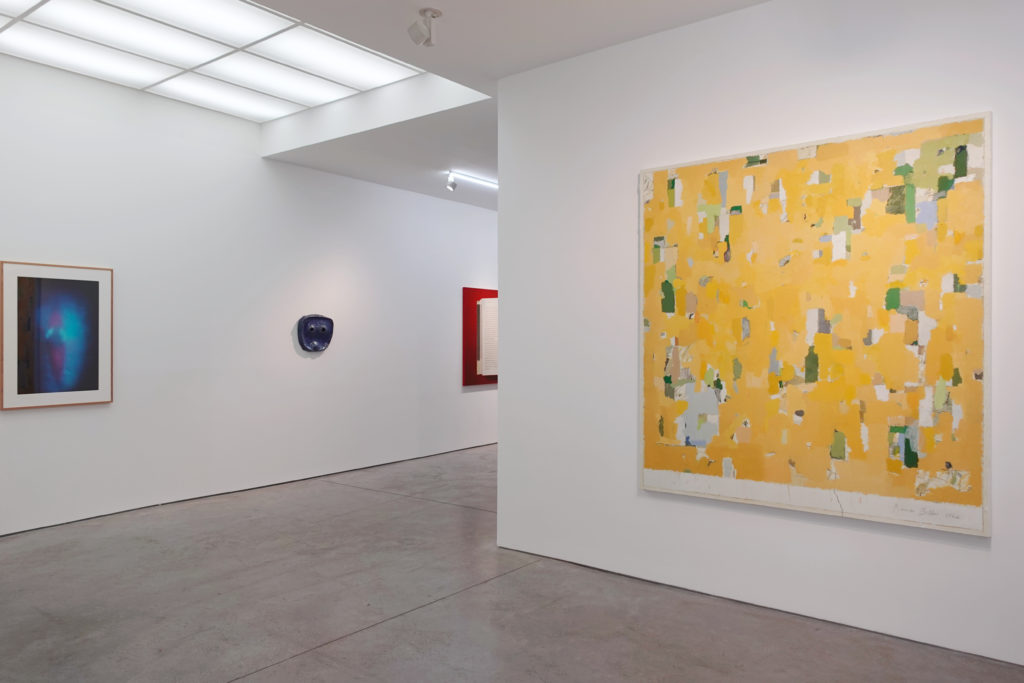
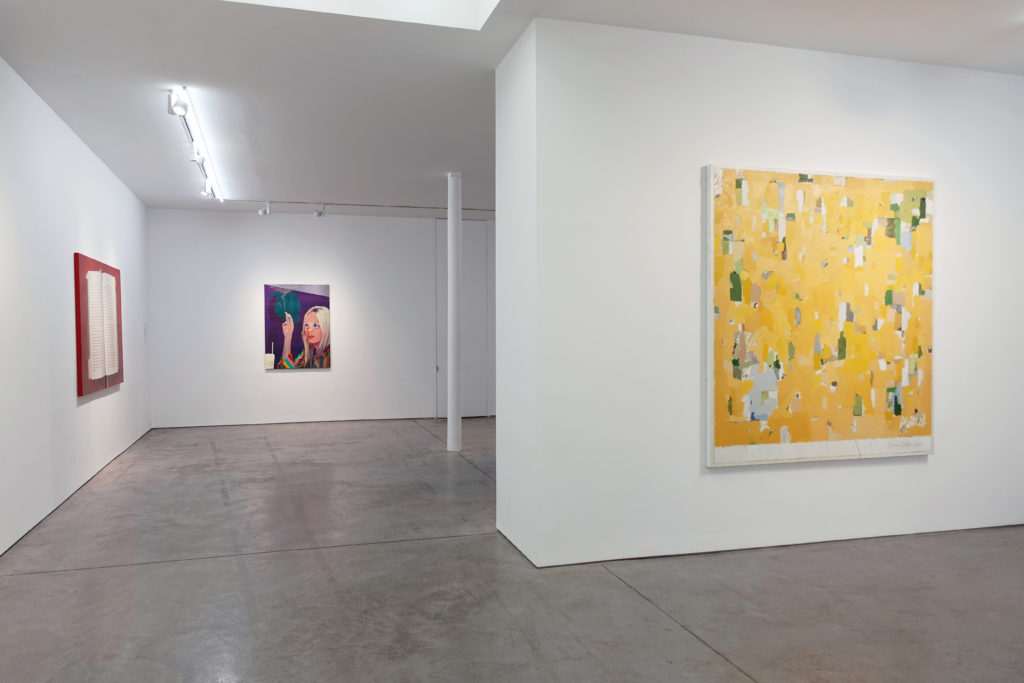
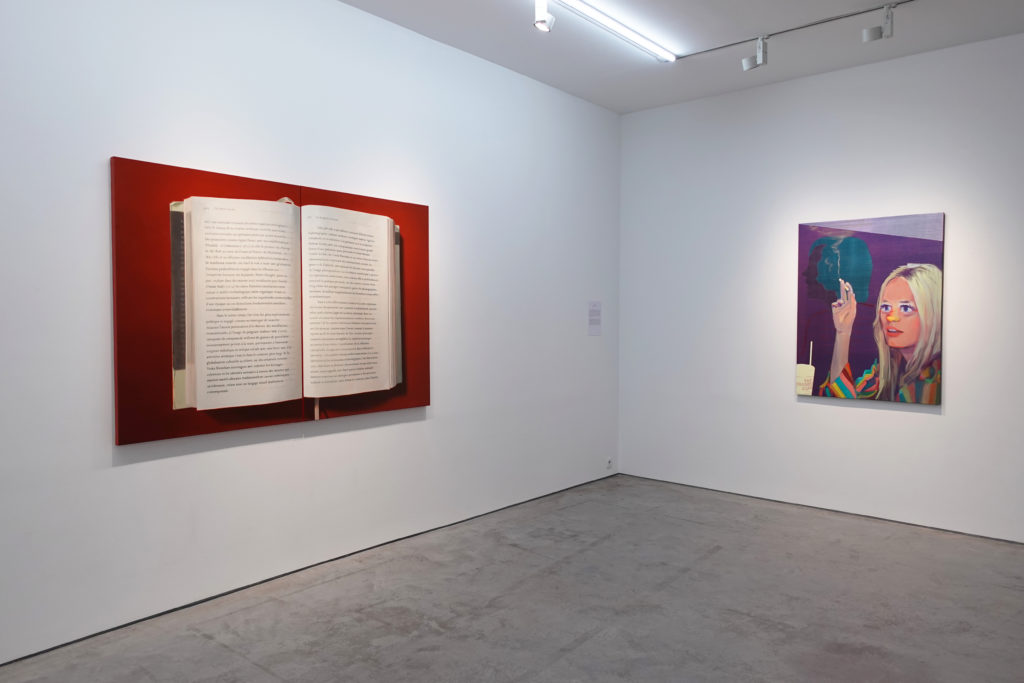
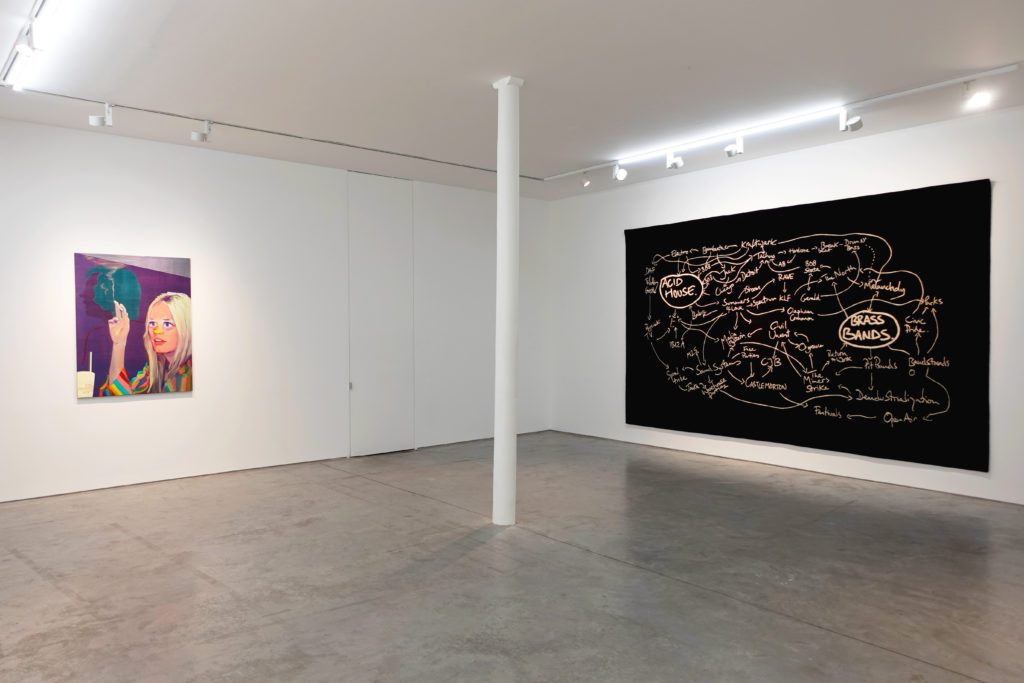
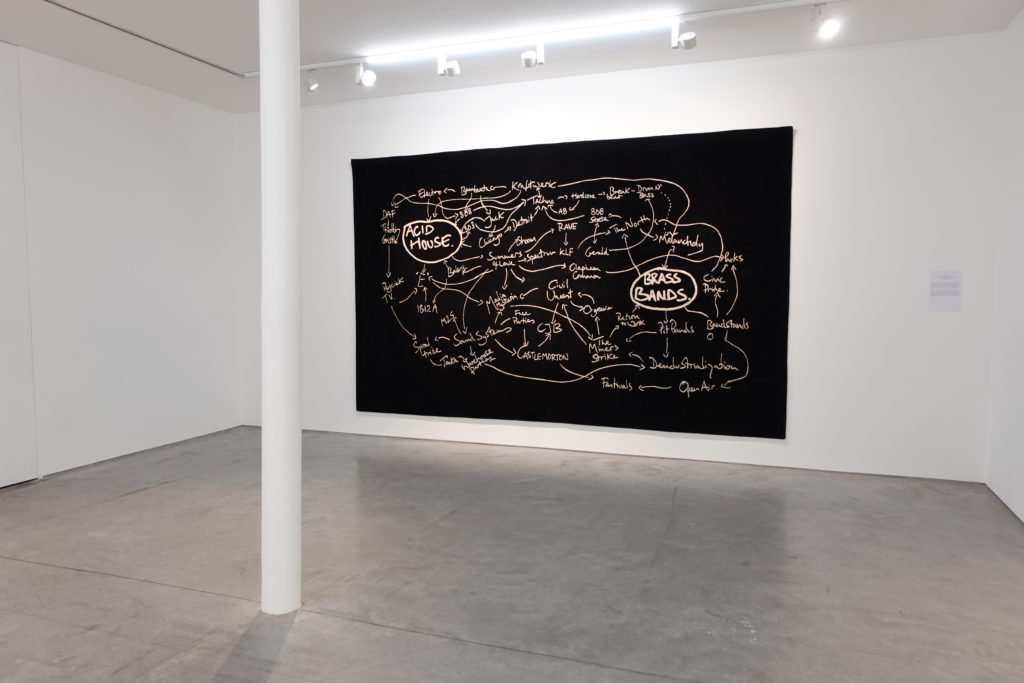
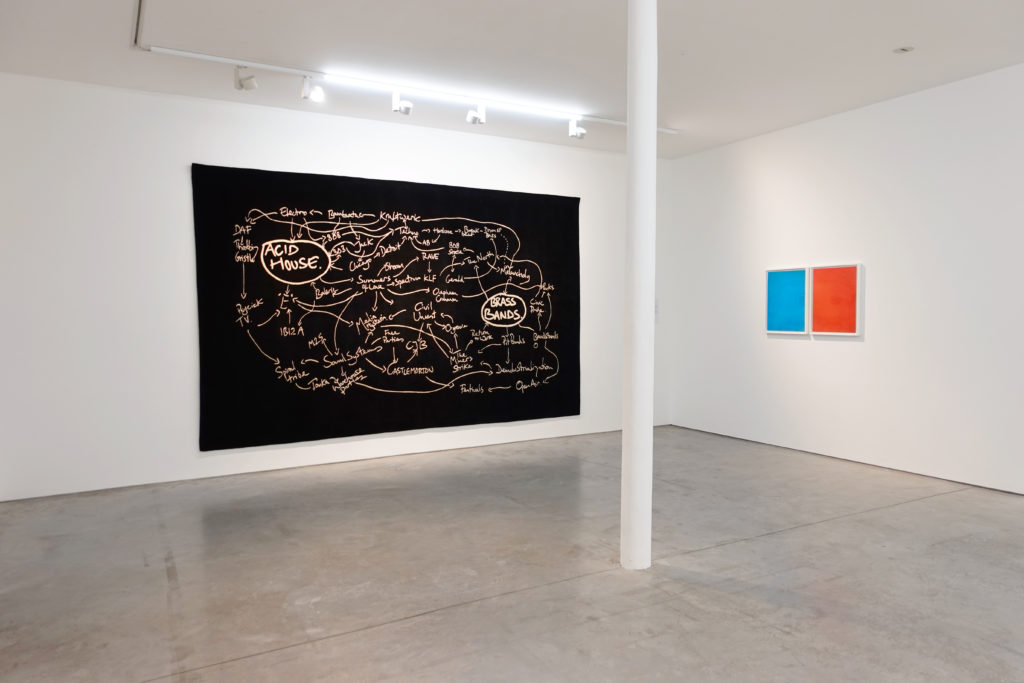
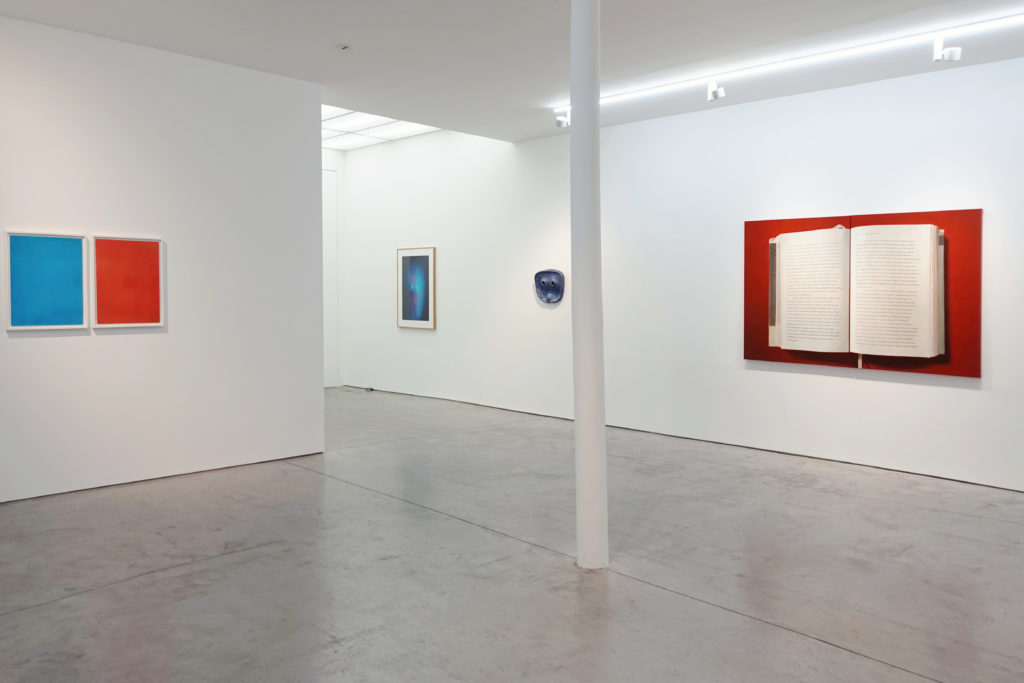
More than 150 artworks are being brought together at Belvedere 21 in the spirit of a Stellprobe—a stage rehearsal in which the relationships between figures, objects, and narratives are tested out in space—an experimental, intuitive arrangement. Spread across the ground floor, upper floor, Blickle Cinema, and sculpture garden, this large-scale exhibition presents acquisitions and donations mfrom the past decade. It functions a review, an insight into the collection strategy, and a temporary vision of a possible future museum.
Further information

With works by:

Caroline Achaintre
Julien Audebert
Pierre Bellot
Michel Blazy
Nina Childress
Jeremy Deller
Michel François
Corentin Grossmann
Miryam Haddad
Kate Newby
Tania Pérez Córdova
Roman Signer

For its summer exhibition, the Galerie du Dourven presents One Promise at a Time by German visual artist Ulla von Brandenburg, created in collaboration with actor and playwright Benoit Résillot.

Conceived by the artist duo, who were invited to participate in a creative residency at the Dourven over the past year, the exhibition draws inspiration from the region’s landscape and cultural identity and was designed specifically for the Galerie du Dourven.

Further information

With: Anne-Camille Allueva, Mariia Andreeva, Pierre-Olivier Arnaud, François Bellabas, Douglas Coupland, Fig Docher, Dora Garcia, Paul Graham, Information Fiction Publicité, Joyce Joumaa, Florence Jung, Gianni Motti, Prune Phi, Adrian Sauer, Simon Starling, Wolfgang Tillmans, Lawrence Weiner

Artistic and curatorial conception: Nicolas Giraud, with Ulysse Barry, Ludivine Chastang, Eléa Godefroy, Demian Letinois, Adrien Limousin, Célia Marion, Piero Markarian, Luka Perkins Petit, Marco Reghelin, Wenjie Tong

The photograph you are looking at is a decoy.

As you observe it, other people are probably looking at it too, on other screens, in other countries, in other forms. It knows that you are looking at it. It is analyzed by machines, encoded into an algorithm that uses it for other purposes. Other information is encrypted within its pixel structure. It is not alone: it is connected to other images, used to generate new ones, and the totality of these images shapes our perception of reality. Photography has freed itself from its role as a means of representation, which now serves merely to conceal the control it exerts over our gaze.

What it represents is now secondary.

What are we to do with these new images? The exhibition Ctrl. brings together artists and works that are not concerned with what images show, but with how they show it. Like a camera that has fallen to the ground, this exhibition does not present images, but the inside of the camera: its inner workings, its mechanisms, its data. It invites us to contemplate the other side of the stage, where images continuously unfold.

This exhibition is the outcome of a curatorial research project conducted throughout 2026 by a group of students from the École nationale supérieure de la photographie, under the direction of artist, teacher, and researcher Nicolas Giraud.

As part of the Bicentenary of Photography programme, it constitutes the first stage of a research project that explores the future of the École in 2026, before turning, in a second stage in 2027, to its history.

Further information

Ulla von Brandenburg, Sylvie Fleury & Katharina Sieverding. Installation view Philara Collection, Düsseldorf. 2026 © Philara Collection, Düsseldorf. Photo: Kai Werner Schmidt

To celebrate its tenth anniversary in Düsseldorf Flingern, the Philara Collection is delighted to present HOUSE OF BALAGAN, an extensive survey of the collection, opening in June 2026. The exhibition, featuring well over 100 works by more than 80 artists, will extend from the spacious main hall across all the exhibition areas of the Philara Collection.

The exhibition presents a condensed but representative selection from Gil Bronner’s collection, which today comprises around 2,000 works. The presentation is complemented by works chosen from the collection of Bronner’s parents, who were a formative influence on their son’s passion for collecting. Pieces from the collections of his children, Philip and Lara, after whom the exhibition space is named, are also represented.

Further information